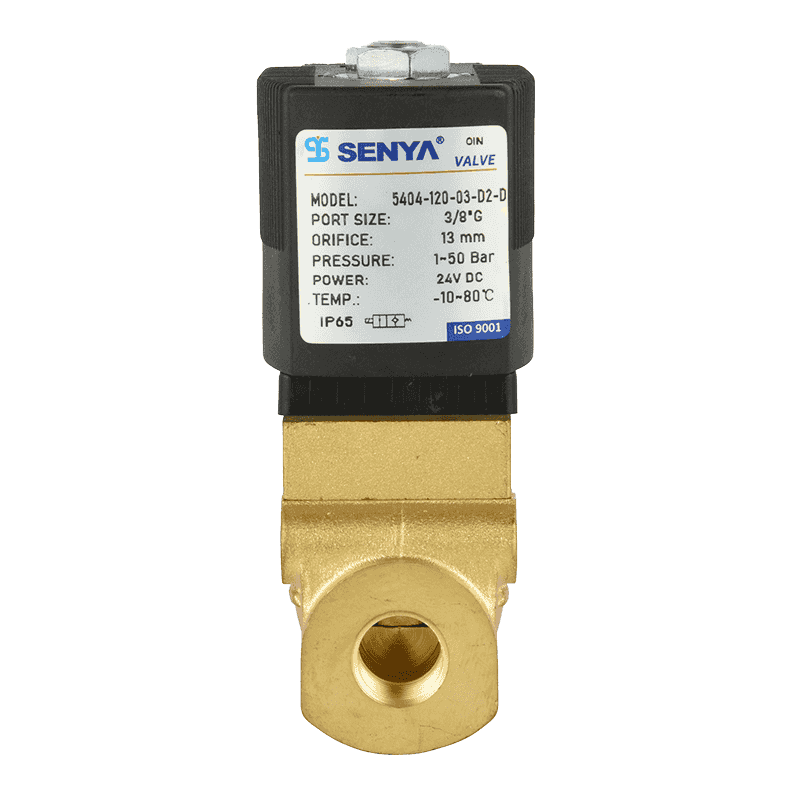

 简体中文
简体中文 English
 Русский
An electromagnetic valve—commonly known as a solenoid valve—is the workhorse of fluid and gas control in automated systems. It uses an electromechanical solenoid to open, close, or redirect flow instantly, replacing manual operation with precision and speed. In industries ranging from car wash equipment to medical sterilization, the right solenoid valve determines system reliability, safety, and energy efficiency. This guide covers exactly how they work, which type fits your application, what to watch for during selection, and how to keep them running without unexpected downtime.
Content
- 1 How an Electromagnetic Valve Works
- 2 Common Types of Electromagnetic Valves
- 3 Material Choices and Their Impact on Performance
- 4 Key Selection Criteria for Electromagnetic Valves
- 5 Industry Applications and Real‑World Examples
- 6 Common Failure Modes and Maintenance Practices
- 7 Frequently Asked Questions About Electromagnetic Valves
How an Electromagnetic Valve Works
A solenoid valve has two main parts: a solenoid (electromagnetic coil) and a valve body with an orifice. When electrical current energizes the coil, it creates a magnetic field that moves a plunger or armature, which in turn opens or closes the valve seat. The action can be direct or indirect.
Direct‑Acting Valves
The solenoid directly lifts the valve seat without needing pressure differential. These valves work from zero bar and are ideal for low‑flow, low‑pressure applications. They typically respond faster than pilot‑operated types.
Pilot‑Operated (Indirect) Valves
Here the solenoid controls a small pilot port, and the line pressure itself moves the main diaphragm or piston. This design handles higher flow rates and larger orifices but requires a minimum pressure difference to operate. Common in water control and heavy‑duty automation.
Semi‑Direct Acting Valves
Combining both principles, semi‑direct valves use the solenoid to lift a small pilot seat plus a spring‑assisted main seat. They work at zero pressure yet can pass higher flows than pure direct‑acting designs.
Figure: Isometric view of a solenoid valve with key components annotated.
Common Types of Electromagnetic Valves
Selecting the right configuration starts with understanding the basic valve types. The table below summarises the most common structures found in industrial pneumatic and hydraulic systems.
| Type | Ports / Positions | Default State | Typical Use |
|---|---|---|---|
| 2/2 (2-way) | 2 ports, 2 positions | NC or NO | On/off control of single fluid/gas line |
| 3/2 (3-way) | 3 ports, 2 positions | NC or NO | Single-acting cylinder / divert flow |
| 5/2 (5-way) | 5 ports, 2 positions | Single coil / double coil | Double-acting cylinder control |
Beyond port configuration, valves are also classified by actuation principle (direct, pilot, semi-direct) and by default state. Normally closed (NC) valves block flow when de‑energised; normally open (NO) pass flow when off. Bi‑stable (latching) valves hold position without continuous power, saving energy in battery‑powered or remote applications.
Material Choices and Their Impact on Performance
The body and seal materials of an electromagnetic valve determine chemical compatibility, pressure limits, and service life in harsh environments. Below is a quick comparison of common body materials used in modern solenoid valves, including those offered by leading manufacturers.
Figure: Typical maximum working pressure by body material (data from industry reference).
Stainless steel and brass dominate general industrial automation because they balance corrosion resistance, strength, and cost. Cast aluminium pulse valves are lightweight and widely used in dust‑collector systems where fast cycling is required. Plastic valves offer an economical choice for low‑pressure clean media but degrade under UV or aggressive chemicals. Seal material (NBR, EPDM, FKM, PTFE) must also match the fluid temperature and chemistry—mismatched seals are the number one cause of premature valve failure.
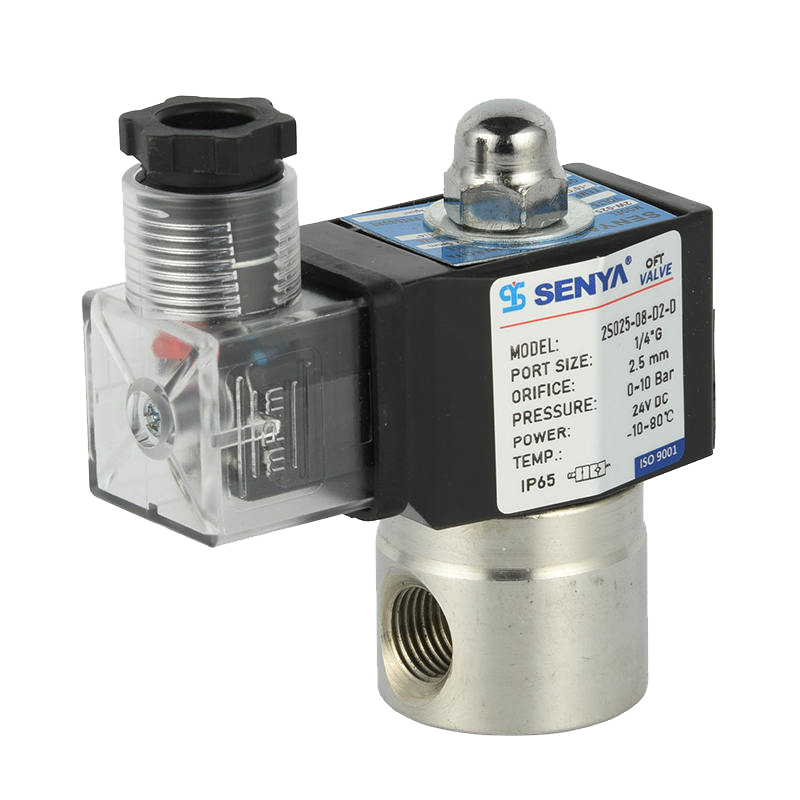 2/2 Way Stainless Steel Direct Acting Solenoid ValveThis 2/2 way stainless steel valve resists acids and alkalis, features zero differential start, and holds CE/ROHS certifications. Its durable construction suits demanding industrial automation where material compatibility is critical.View Product →
Key Selection Criteria for Electromagnetic Valves
Choosing the wrong solenoid valve leads to leaks, slow response, burned coils, or system downtime. Engineers should evaluate five factors systematically:
- Fluid medium & temperature – Check compatibility with brass, stainless steel, or plastic; verify the seal material can withstand the media and temperature range.
- Line pressure & flow rate (Cv / Kv) – Direct-acting valves work at zero pressure; pilot-operated need a minimum differential. Undersizing starves flow; oversizing wastes energy.
- Voltage & power consumption – AC or DC? Standard industrial voltages (24V DC, 110V AC, 230V AC). Latching coils save power in remote applications.
- Response time & cycle frequency – Fast‑acting valves (e.g., pulse valves for baghouse dust collectors) require low‑mass armatures and high‑power coils. Standard valves suit slower, continuous duty.
- Environmental rating (IP / NEMA) – Outdoor or wash‑down areas need IP65/IP67 enclosures. For example, water‑proof series are essential in irrigation or car wash systems.
For a deep dive into each criterion, refer to our comprehensive selection guide in the solenoid valve selection article.
Industry Applications and Real‑World Examples
Electromagnetic valves appear across dozens of sectors. The chart below highlights the relative usage share in major industries based on aggregated market research.
Figure: Estimated solenoid valve demand by industry (source: combined industry reports 2024).
In car wash tunnels, high‑flow brass solenoid valves with water‑proof coils handle repeated on/off cycling and splashing. Medical sterilisation equipment demands stainless steel bodies and EPDM seals to withstand steam and aggressive cleaning agents. For pulse‑jet dust collectors, cast aluminium pulse valves with fast opening (< 10 ms) deliver reliable cleaning while withstanding high‑temperature, abrasive environments.
An example of a dedicated water‑resistant design is the  Submersible Brass Solenoid Valve for Music FountainsFully sealed with a thermosetting coil, waterproof to IP6X, this valve can be immersed for fast-response water column control. Its large flow design and corrosion resistance make it ideal for submerged fountain installations.View Product →, which uses an encapsulated coil and IP‑rated housing to operate reliably in wet locations.
Agricultural irrigation systems often rely on large‑orifice, high‑tolerance brass valves capable of handling dirty water. The modular manifold valve concept also helps reduce tubing and labor in multi‑zone control panels, as described in our directional manifold efficiency article.
Common Failure Modes and Maintenance Practices
Even robust solenoid valves can fail if neglected. The most frequent issues are coil burnout (from continuous energisation beyond rated duty cycle), debris blocking the orifice or pilot port, seal deterioration due to chemical attack, and spring fatigue. A systematic troubleshooting procedure can quickly isolate the cause:
- Visual inspection: Check for corrosion, loose connections, or swollen seals.
- Coil test: Measure resistance and voltage; listen for a humming sound (indicates partial stroke).
- Pilot port check: Remove and clean small orifices in pilot‑operated valves.
- Seal replacement: If leaking occurs after cleaning, replace seals with original material grade.
- Duty cycle adjustment: Reduce energisation time or increase cooling if coil temperature exceeds 85°C.
Preventive maintenance—filtering supply air/water, installing a proper air treatment unit, and cycling the valve periodically—can extend service life by 300% or more, as shown in field studies. For more detailed steps, see our solenoid valve failure analysis guide.
 Modular 2/2 Way Solenoid Valve ManifoldThis compact modular valve allows flexible series assembly with a shared airway, reducing installation cost. Zero differential start, low 5W consumption, and easy maintenance suit systems with low cleanliness requirements.View Product →
Frequently Asked Questions About Electromagnetic Valves
Q1: What is the difference between a 2‑way and a 3‑way solenoid valve?
A 2‑way valve has one inlet and one outlet, used for simple on/off control. A 3‑way valve has three ports, allowing diversion or mixing, often used with single‑acting cylinders.
Q2: How do I choose between normally closed and normally open?
NC valves block flow when off—safe for emergency stops. NO valves pass flow when off—used for cooling or purge lines that must stay open if power fails.
Q3: Can an electromagnetic valve be used for both air and water?
Yes, but check the valve’s media compatibility. Brass/stainless steel with NBR seals works for many fluids; use EPDM for hot water and FKM for aggressive chemicals.
Q4: Why does my solenoid valve hum or vibrate?
Insufficient voltage, a loose armature, or debris on the seat can cause humming. Check supply voltage and clean the valve; if the issue persists, replace the coil or armature.
Q5: What is the typical lifespan of a solenoid valve?
With proper maintenance, industrial solenoid valves last 1–5 million cycles. High‑quality valves in clean environments can exceed 10 million cycles. Factors include duty cycle, media cleanliness, and temperature.
Q6: Can I replace a brass solenoid valve with a stainless steel one?
Yes, if connection sizes and electrical ratings match. Stainless steel offers better corrosion resistance and higher pressure rating but costs more. Verify seal compatibility as well.
Q7: What does IP65 mean for a solenoid valve?
IP65 means the enclosure is dust‑tight and protected against low‑pressure water jets from any direction. Suitable for outdoor and wash‑down environments like car washes or food processing.
Q8: How do I increase the response speed of my solenoid valve?
Use a direct‑acting design (faster than pilot), increase coil voltage within limits, or add a boost circuit. Also check that the valve is correctly sized—oversized valves react slower.
.png?imageView2/2/w/326/h/326/format/jpg/q/75)
.png?imageView2/2/w/326/h/326/format/jpg/q/75)
.png?imageView2/2/w/326/h/326/format/jpg/q/75)
.png?imageView2/2/w/326/h/326/format/jpg/q/75)
.png?imageView2/2/w/326/h/326/format/jpg/q/75)