
 简体中文
简体中文 English
 Русский
Content
- 1 Quick Answer for Bulk Buyers of 2/2 Way Brass Solenoid Valves
- 2 What Is a 2/2 Way Brass Solenoid Valve
- 3 2/2 Way Solenoid Valve Working Principle Step by Step
- 4 Media Compatibility Overview for Bulk Specification
- 5 Common Orifice Sizes for Bulk Batch Planning
- 6 Brass Solenoid Valve Pressure Rating Reference for Bulk Specification
- 7 Normally Closed vs Normally Open Configuration Comparison
- 8 Coil Voltage Options and Power Use for Bulk Orders
- 9 Where Bulk Batches Are Typically Installed
- 10 Brass Solenoid Valve Installation Guide for Large Batches
- 11 Choosing a Reliable Brass Solenoid Valve Supplier for Bulk Orders
- 12 Practical Planning Tips Before Placing a Bulk Order
- 13 Maintenance and Storage Guidance for Bulk Stock
- 14 Frequently Asked Questions
Quick Answer for Bulk Buyers of 2/2 Way Brass Solenoid Valves
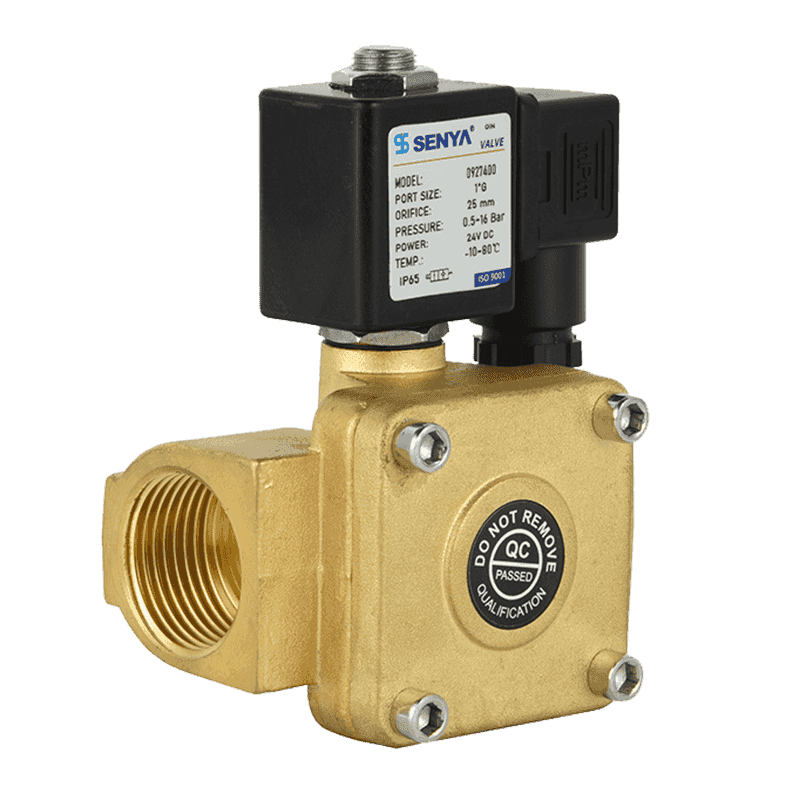
A 2/2 way brass solenoid valve is a two port, two position valve that opens or closes a single flow path using an electromagnetic coil. For a bulk order, the practical decision points are orifice size, coil voltage, working pressure, normally closed or normally open function, and the consistency of manufacturing tolerances across the entire production batch. A team placing a large order for a 2/2 ways brass solenoid valve project should confirm that every unit shares the same seal material, the same coil insulation class, and the same flow coefficient, since small variations between units can create uneven performance across a large installation such as an irrigation network or a car wash line.
The sections below walk through the working principle, sizing and pressure reference charts, sourcing guidance, and a frequently asked questions block written for procurement teams, engineers, and distributors placing container sized orders.
What Is a 2/2 Way Brass Solenoid Valve
The first digit in the name describes the number of ports on the valve body, the inlet and the outlet. The second digit describes the number of switching positions, open and closed. Inside a brass body, a plunger or armature sits above or beside a small orifice. When the surrounding coil receives electrical current, it forms a magnetic field that lifts the plunger, and fluid moves from the inlet port to the outlet port. When current stops, a spring pushes the plunger back down and the flow path closes again.
Brass is chosen for this valve body because it resists corrosion from many common fluids, machines cleanly to tight tolerances, and holds its shape through repeated pressure cycles. These properties matter even more once an order moves from a handful of samples to a full production batch, because every valve in that batch needs to behave the same way under the same pressure and voltage conditions. Coil insulation class and wire winding also affect how a valve performs after long continuous operation, which is why bulk specification sheets usually list both the body material and the coil class together.
Ningbo SENYA Pneumatic Technology Co., Ltd. has produced pneumatic components including brass solenoid valves since 1994, with production capacity that supports large recurring batch orders for distributors and project teams working across multiple industries at once.
2/2 Way Solenoid Valve Working Principle Step by Step
Understanding the 2/2 way solenoid valve working principle helps a procurement team ask better questions during sample testing. The cycle generally follows five steps from rest to full flow and back again.
- The valve sits at rest with the plunger seated against the orifice, blocking flow in a normally closed design.
- Electrical current reaches the coil and builds a magnetic field around the core.
- The magnetic field pulls the plunger upward against spring tension, opening a path between the inlet and outlet ports.
- Fluid moves through the open orifice for as long as the coil stays energized, at a rate set by the orifice diameter and the line pressure.
- Current is removed, the magnetic field collapses, and the spring returns the plunger to its seated position, closing the flow path again.
This cycle repeats many times over a valve working life, which is why bulk buyers commonly ask for cycle testing results on a sample batch before committing to a full container order.
Media Compatibility Overview for Bulk Specification
Before placing a large order, it helps to map each project line to the correct valve function. The table below summarizes common media types and how a brass valve body generally performs with each one, based on common engineering practice for pneumatic and hydraulic component selection.
| Media Type | Typical Compatibility | Common Bulk Application |
|---|---|---|
| Clean Water | Good | Irrigation lines, car wash systems |
| Compressed Air | Good | Automated production lines, pneumatic tools |
| Light Oil | Moderate | Lubrication circuits, small machinery |
| Neutral Gas | Good | Dust removal systems, agricultural machinery |
Buyers working with fluids outside this general reference, such as strong acids or uncommon solvents, are encouraged to request a sample valve for compatibility testing under actual operating conditions before scaling up to a full batch order.
Common Orifice Sizes for Bulk Batch Planning
Orifice diameter influences flow rate more than almost any other single spec on a purchase order. Larger orifices move more fluid per second at the same pressure, while also drawing more holding power from the coil. The chart below lines up five orifice sizes that commonly appear on bulk purchase orders for 2/2 way brass valves, shown in millimeters.
Procurement teams ordering a mixed pallet of sizes typically confirm the port thread type, such as G thread or NPT thread, for each size line separately, since thread standards vary between destination markets.
Normally Closed vs Normally Open Configuration Comparison
A normally closed brass solenoid valve stays shut when no power is applied and opens only while the coil is energized. This is the configuration most bulk buyers choose by default, since it keeps a system closed during a power outage. A normally open valve does the opposite, it stays open at rest and closes only when energized, which suits applications where flow needs to continue automatically if power is lost. The radar chart below compares the two configurations across six planning factors on a simple five point scale, useful as a starting point for project discussions rather than a substitute for application testing.
Normally Closed compared with Normally Open, illustrative planning reference only
Coil Voltage Options and Power Use for Bulk Orders
Coil voltage needs to match the electrical supply already available at the installation site, whether that is a low voltage DC control panel or a standard AC mains circuit. The chart below tracks approximate coil power draw across common voltage options, which helps a buyer estimate total load when specifying dozens or hundreds of valves for one control panel.
Mixed voltage batches are common in export orders that combine a DC control section with an AC powered utility area, so it helps to label each carton clearly by coil voltage before the batch leaves the factory.
Where Bulk Batches Are Typically Installed
Because brass solenoid valves handle a wide range of fluids reliably, they show up across many industries at once, often within the same bulk purchase order.
- Car washing equipment, where a brass solenoid valve for water controls each rinse and rinse aid cycle.
- Medical sterilizing equipment, where repeatable switching timing matters for cycle consistency.
- Automated production lines, where a brass solenoid valve for compressed air actuates pneumatic cylinders and grippers.
- Mining and dust removal systems, where valves cycle frequently under dusty ambient conditions.
- Musical fountains, where fast and precise switching creates timed water display patterns.
- Agricultural irrigation and solar water heating projects, where valves run for long unattended periods.
- Agricultural machinery and food processing lines, where corrosion resistance supports frequent washdown cleaning.
Brass Solenoid Valve Installation Guide for Large Batches
This brass solenoid valve installation guide covers the checks that matter most when a team is installing many valves at once rather than a single unit.
- Confirm the flow direction arrow stamped on the valve body matches the intended pipe direction before mounting.
- Apply thread sealant appropriate for the port thread type and avoid over tightening, which can distort the brass body.
- Mount the coil upright where possible and check the coil housing rating before exposing it to washdown or rain.
- Match electrical connections to the coil voltage marked on each unit, which matters most when a batch mixes AC and DC coils.
- Flush the pipeline before first operation to remove installation debris that could lodge against the orifice.
- Commission a small first batch, run it through several open and close cycles, then scale up once performance looks consistent.
Choosing a Reliable Brass Solenoid Valve Supplier for Bulk Orders
Sourcing decisions for a bulk order usually come down to consistency rather than any single spec sheet. A dependable brass solenoid valve supplier keeps the same seal material, coil insulation class, and machining tolerance across every carton in a shipment, so the first valve installed behaves the same as the last one installed months later. When comparing a 2 way brass solenoid valve manufacturer, it helps to ask about in house testing before valves leave the factory, since an automated digital testing platform can catch inconsistent units before they reach a container.
Many international buyers work with a China brass solenoid valve manufacturer for consolidated production, since a single factory can often supply valves alongside related pneumatic components such as cylinders, fittings, and control accessories for the same project. This reduces the number of separate shipments a project needs to track and simplifies batch traceability. For private label or project specific needs, an OEM brass solenoid valve supplier can adjust coil markings, port thread standards, cable lengths, and packaging to match a distributor own specification sheet.
Ningbo SENYA Pneumatic Technology Co., Ltd. has manufactured pneumatic valves and cylinders since 1994 and currently produces more than 2,000,000 sets of pneumatic components each year, with shipments reaching more than 30 countries including the United States, Turkey, Spain, Italy, Britain, South Korea, Australia, and Mexico. The company operates a dedicated precision machining plant alongside an automatic digital testing platform intended to keep output consistent across large production runs, supporting clients across car washing, medical sterilizing, automated production lines, mining, dust removal, music fountains, agricultural irrigation, solar projects, agricultural machinery, and food processing.
Practical Planning Tips Before Placing a Bulk Order
- Request a small sample batch first and run it through the same cycle count expected in real use.
- Confirm the coil duty cycle rating, since continuous duty and intermittent duty coils are wound differently.
- Ask how the factory packages valves for container shipment to reduce handling damage during transit.
- Align production lead time with the project installation schedule well ahead of the target start date.
- Plan a spare valve ratio, commonly a small percentage of the total order quantity, for future maintenance stock.
- Request a written technical specification sheet for the exact model ordered, and keep it on file for future reorders.
Maintenance and Storage Guidance for Bulk Stock
Large batches often sit in a warehouse for weeks or months before every unit is installed, so storage conditions matter almost as much as the installation itself.
- Store valves in a dry, ventilated area away from direct sunlight and large temperature swings.
- Keep original packaging in place until each valve is ready for installation to protect the port threads.
- Avoid stacking heavy loads directly on top of stored cartons, which can distort valve bodies over time.
- Run a quick function test on stock that has been stored for an extended period before final installation.
- Label cartons by production batch and date so older stock rotates into use first.
Frequently Asked Questions
|
Q1 What is a 2/2 way brass solenoid valve It is a two port, two position valve made with a brass body that opens or closes a single flow path using an electromagnetic coil. |
Q2 How does it work Current through the coil creates a magnetic field that lifts an internal plunger, opening the flow path. When current stops, a spring closes it again. |
|
Q3 What is normally closed Normally closed means the valve stays shut when no power is applied and opens only while the coil is energized. |
Q4 Can it be used for drinking water Brass solenoid valves are commonly used across many water handling applications. For drinking water lines, confirm the wetted materials of the exact model against local plumbing requirements before installation. |
|
Q5 Can it control compressed air Yes, this is one of the most common uses for a 2/2 way brass solenoid valve, particularly in automated production lines and pneumatic tool circuits. |
Q6 Can it be used for oil Many brass solenoid valves handle light lubricating oil well. For heavier oils or specialized fluids, checking seal material compatibility with a sample valve is recommended. |
|
Q7 Normally closed or normally open The choice usually depends on the safest state during a power outage. A normally closed valve stays shut while a normally open valve stays open, so match the choice to that specific line. |
Q8 What lead time should I plan Lead time depends on order quantity, size mix, and coil voltage options, so it is best discussed directly with the supplier once the specification list is finalized. |
|
Q9 Can it handle high ambient temperature Working temperature range varies by seal material and coil insulation class, so request the specification sheet for the exact model being considered for a hot environment. |
Q10 What speeds up a bulk inquiry Providing orifice size, coil voltage, normally closed or normally open preference, working pressure, and media type upfront speeds up a bulk specification discussion considerably. |
.png?imageView2/2/w/326/h/326/format/jpg/q/75)
.png?imageView2/2/w/326/h/326/format/jpg/q/75)
.png?imageView2/2/w/326/h/326/format/jpg/q/75)
.png?imageView2/2/w/326/h/326/format/jpg/q/75)
.png?imageView2/2/w/326/h/326/format/jpg/q/75)