
 简体中文
简体中文 English
 Русский
Directional valves are critical components in hydraulic and pneumatic systems, controlling the flow direction of fluid. These valves ensure the proper operation of machines and equipment by regulating the fluid flow paths within the system. In this article, we will answer key questions about directional valves, their types, applications, and how they function in various systems.
Content
What Are Directional Valves?
Directional valves are devices used to control the flow direction of fluid within a system. They are designed to manage the fluid’s path, either allowing or blocking flow, or changing the direction in which the fluid moves. These valves are crucial in systems like hydraulic machinery, pneumatic circuits, and automation systems, where precise control over fluid movement is required to operate machines or processes efficiently.
How Do Directional Valves Work?
Directional valves operate by using a sliding or rotary mechanism to direct the flow of fluid. When activated, the valve changes the direction of the fluid, allowing it to move to different parts of the system. The valve’s position determines the flow path. Typically, directional valves use a spool or poppet that moves to open or close different ports, controlling the flow direction and ensuring that the system operates correctly.
Types of Directional Valves
There are several types of directional valves, each designed to meet the specific needs of different applications. Some common types include:
1. Two-Way Directional Valves
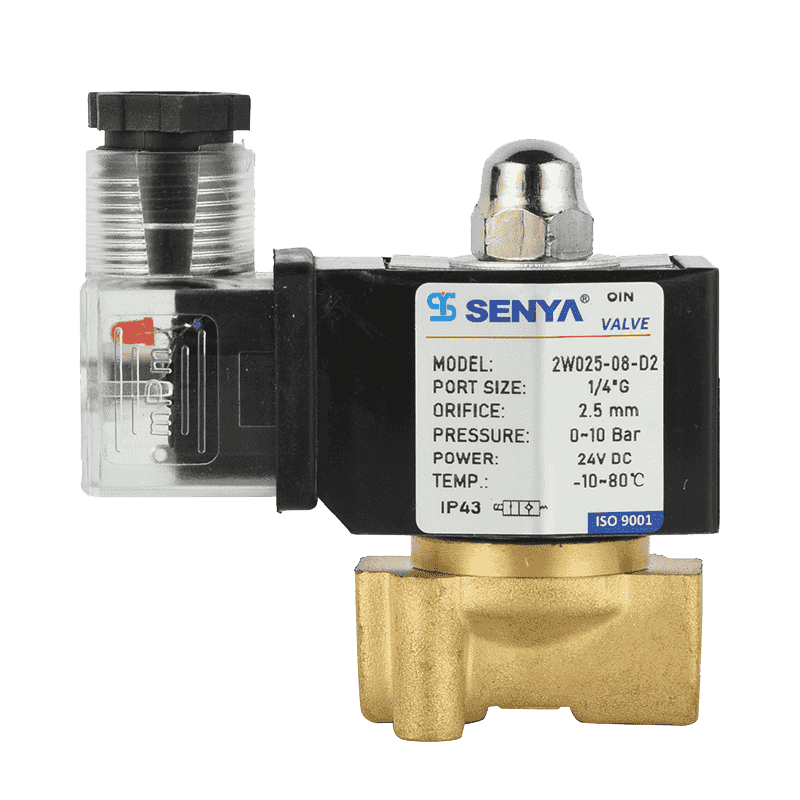
Two-way valves are the simplest type of directional valve. They have two positions: one that allows fluid to flow through and one that blocks the flow. These valves are commonly used in simple systems where the flow direction needs to be controlled in one direction.
2. Three-Way Directional Valves
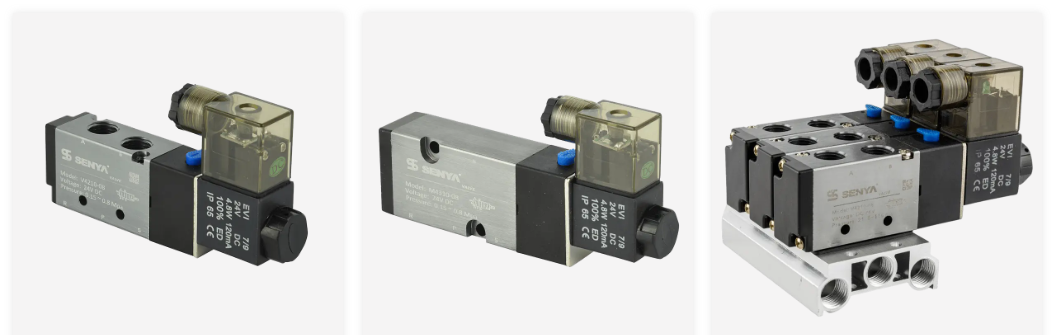
Three-way valves offer more versatility by having three ports. These valves are often used in systems where the flow needs to be directed to two possible paths. A common application of three-way valves is in controlling actuators, where the valve allows fluid to either extend or retract the actuator.
3. Four-Way Directional Valves
Four-way directional valves are typically used in more complex systems like hydraulic circuits. They have four ports and can direct fluid to multiple directions, making them ideal for controlling double-acting cylinders. These valves are critical in applications where both forward and reverse movement are required, such as in lifting and pressing equipment.
What Are the Applications of Directional Valves?
Directional valves are used in a wide variety of industries, providing efficient fluid control for machinery and processes. Here are some common applications:
1. Hydraulic Systems
In hydraulic systems, directional valves are used to control the movement of hydraulic cylinders and motors. These valves ensure that the system operates efficiently by regulating the fluid flow, allowing precise movement of heavy loads.
2. Pneumatic Systems
Pneumatic systems rely on directional valves to control the flow of compressed air. These valves are often used in automation systems, such as in robotics and manufacturing processes, where they regulate the movement of pneumatic actuators.
3. Automotive Industry
Directional valves are essential in automotive hydraulic systems, such as in power steering and braking systems. These valves help control fluid flow, ensuring smooth operation and safety of the vehicle's critical functions.
How to Choose the Right Directional Valve?
Selecting the correct directional valve for your system depends on several factors, including the application, required flow rate, and type of fluid being used. Here are some key considerations:
1. Flow Rate and Pressure
Ensure that the valve can handle the required flow rate and pressure for your system. The valve's specifications must match the operational parameters of the system to avoid inefficiency or failure.
2. Port Size and Configuration
Consider the port size and the number of positions the valve needs to operate. For example, a two-way valve may be enough for a simple system, while a four-way valve may be needed for more complex applications.
3. Material Compatibility
Check that the valve material is compatible with the fluid type used in the system. Some valves are made from materials resistant to high temperatures, corrosion, or certain chemicals, making them suitable for specific applications.
Directional valves are essential components that control fluid flow direction in hydraulic and pneumatic systems. Understanding how they work, the different types available, and their applications can help you select the right valve for your needs. Whether in industrial machinery, automotive systems, or automation, directional valves ensure precise control and efficient operation. By considering key factors like flow rate, pressure, and material compatibility, you can ensure optimal performance for your system.
.png?imageView2/2/w/326/h/326/format/jpg/q/75)
.png?imageView2/2/w/326/h/326/format/jpg/q/75)
.png?imageView2/2/w/326/h/326/format/jpg/q/75)
.png?imageView2/2/w/326/h/326/format/jpg/q/75)
.png?imageView2/2/w/326/h/326/format/jpg/q/75)