
 简体中文
简体中文 English
 Русский
Pneumatic directional valves are a key part of any compressed air system. If you use pneumatic equipment in factories, workshops, or automation lines, these valves are doing a lot of behind-the-scenes work. But what exactly do they do, and why are they so important for system performance? Let’s break it down in a simple and practical way.
Content
- 1 What Are Pneumatic Directional Valves?
- 2 How Do Pneumatic Directional Valves Work?
- 3 Why Are Pneumatic Directional Valves So Important?
- 4 Common Applications of Pneumatic Directional Valves
- 5 What Should You Consider When Choosing Pneumatic Directional Valves?
- 6 Are Pneumatic Directional Valves Worth Upgrading?
What Are Pneumatic Directional Valves?
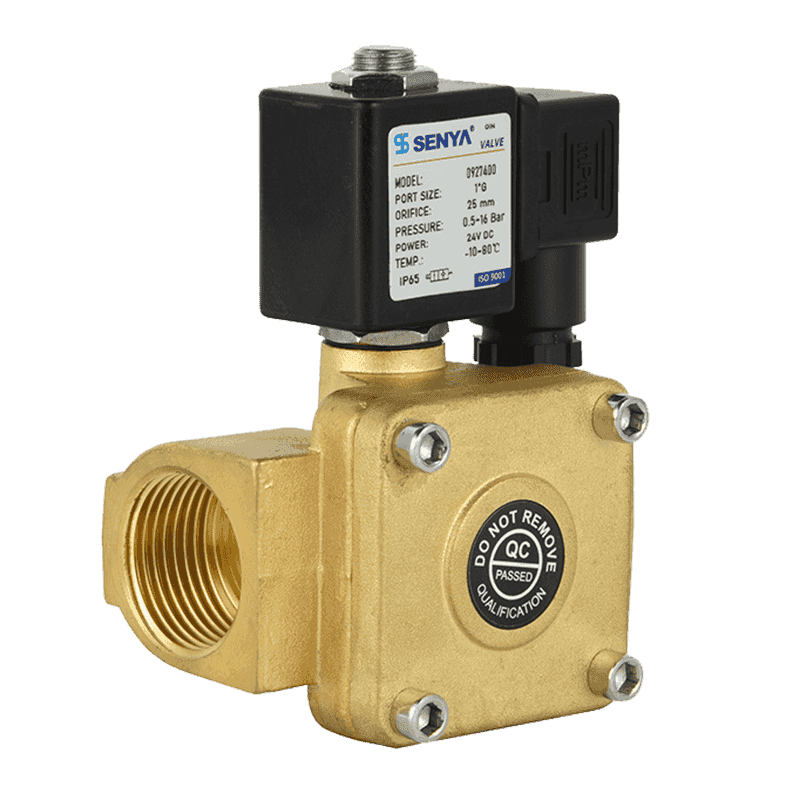
Pneumatic directional valves control the flow direction of compressed air in a system. In simple terms, they decide where the air goes and when it goes there. By opening and closing different internal passages, the valve can start, stop, or change the movement of air-powered cylinders and actuators.
Common types include 2-way, 3-way, 4-way, and 5-way valves. Each type is designed for specific motion control tasks, such as extending or retracting a cylinder.
How Do Pneumatic Directional Valves Work?
These valves work by shifting an internal spool or poppet. When the valve is activated, compressed air is redirected to a different port. This change in airflow creates movement in pneumatic components like cylinders or air motors.
They can be operated manually, electrically with solenoids, pneumatically, or mechanically. This flexibility makes them suitable for both simple manual systems and fully automated production lines.
Why Are Pneumatic Directional Valves So Important?
The main reason is control accuracy. Without directional valves, you would not be able to control motion speed, direction, or timing. They help improve production efficiency, reduce air waste, and ensure smooth equipment operation.
They also improve system safety by allowing quick air shut-off and emergency stop functions when needed.
Common Applications of Pneumatic Directional Valves
You can find these valves in packaging machines, assembly lines, automotive production, food processing equipment, textile machinery, and robotics. They are widely used anywhere compressed air is part of the motion control system.
What Should You Consider When Choosing Pneumatic Directional Valves?
Key factors include working pressure range, flow capacity, response speed, and compatibility with your control system. It is also important to consider installation space and maintenance requirements.
Choosing high-quality materials and reliable sealing structures can greatly extend service life and reduce downtime.
Are Pneumatic Directional Valves Worth Upgrading?
If your current system suffers from air leaks, slow response, or unstable motion, upgrading your pneumatic directional valves can make a noticeable difference. Better airflow control often leads to higher productivity and lower operating costs.
For any business that relies on pneumatic automation, investing in reliable directional valves is a smart move that pays off in long-term performance.
.png?imageView2/2/w/326/h/326/format/jpg/q/75)
.png?imageView2/2/w/326/h/326/format/jpg/q/75)
.png?imageView2/2/w/326/h/326/format/jpg/q/75)
.png?imageView2/2/w/326/h/326/format/jpg/q/75)
.png?imageView2/2/w/326/h/326/format/jpg/q/75)