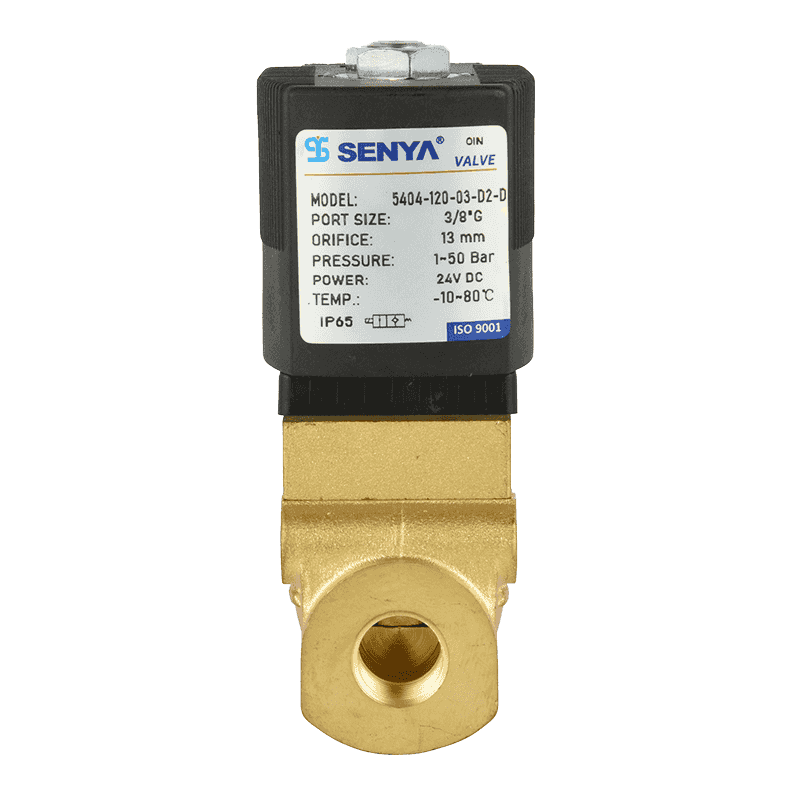

 简体中文
简体中文 English
 Русский
A 2/2 Way Solenoid Valve is an electromagnetically actuated valve with two ports and two positions — open or closed. When electrical current is applied to the coil, it generates a magnetic field that moves a plunger to open or close the flow path, giving engineers precise, instant control over fluid or gas flow within industrial pipelines. These valves are also referred to as fluid control valves or process control valves, and they form the foundation of automated fluid management across dozens of industries worldwide.
The core advantage of a solenoid valve over manual or pneumatically actuated valves is its ability to respond to an electrical signal in under 50 milliseconds, enabling real-time automation and integration with PLCs, sensors, and control systems. Whether you need a Normally Closed Solenoid Valve that stays shut until energized, or a normally open design that closes on command, understanding the fundamentals helps you specify the right valve for your application.
Content
- 1 What Is a Solenoid Valve?
- 2 Solenoid Valve Working Principle
- 3 Types of Solenoid Valves Explained
- 4 Materials: Brass, Stainless Steel, and Plastic
- 5 Applications of Solenoid Valves Across Industries
- 6 Installation Guide for Solenoid Valves
- 7 About SENYA — Ningbo SENYA Pneumatic Technology Co., Ltd.
- 8 Maintenance Tips for Long-Lasting Solenoid Valve Performance
- 9 Frequently Asked Questions
What Is a Solenoid Valve?
A Solenoid Valve is an electromechanical device that uses an electromagnetic solenoid coil to actuate a valve mechanism, controlling the flow of liquids or gases through a pipeline. The solenoid itself is a coil of wire wound around a ferromagnetic core; when energized, it produces a magnetic field strong enough to move a metal plunger against a spring, opening or closing a sealing orifice.
Unlike manual valves that require physical intervention, solenoid valves can be operated remotely and integrated into automated control loops. They are compatible with a wide range of media — water, steam, air, oil, aggressive chemicals — and available in configurations spanning temperatures from -20°C to 200°C and pressures from micro-vacuum to 200 bar (4,351 psi). This operating range makes them suitable for everything from delicate laboratory flow control to heavy-duty mining and petrochemical applications.
The global solenoid valve market was valued at approximately USD 4.2 billion in 2023 and is projected to grow steadily through 2030, driven by industrial automation, smart agriculture, and infrastructure development. The Water Solenoid Valve and Electric Water Valve segments account for a significant share of this growth, reflecting rising demand in irrigation, HVAC, and municipal water management.
| Parameter | Typical Range | Notes |
|---|---|---|
| Operating Voltage | 12V DC – 240V AC | Must match control system |
| Temperature Range | -20°C to 200°C | Material-dependent |
| Pressure Range | Micro-vacuum to 200 bar | Application-specific |
| Response Time | 10 – 100 ms | Faster at lower viscosity |
| Protection Level | IP43, IP65, IP68 | Environment-driven |
| Port Sizes | 1/8" to 4" (DN3–DN100) | Flow-rate dependent |
Solenoid Valve Working Principle
Understanding the Solenoid Valve Working Principle is essential for correct specification and troubleshooting. The operation relies on electromagnetic induction: an electric current passing through a wound coil generates a magnetic flux that acts on a ferromagnetic plunger (also called an armature). This force either pulls the plunger upward, opening the orifice, or allows the spring to push it closed when de-energized.
Solenoid valves are classified by their actuation method into three main types: direct-acting, pilot-operated (servo-assisted), and semi-direct-acting. Direct-acting valves use the electromagnetic force alone to open and close, making them effective even at zero differential pressure — critical for Automatic Water Control Valve installations where supply pressure may be unpredictable. Pilot-operated valves use a small pilot orifice and the line pressure itself to assist actuation, allowing larger valve sizes with smaller coil power consumption.
The coil power consumption of a typical solenoid valve ranges from 3W to 30W for continuous duty operation, while the peak inrush current during energization can be 4 to 6 times the holding current. Engineers designing control panels must account for this inrush when sizing fuses and power supplies. Modern energy-saving coils reduce holding power by up to 80% after initial actuation, significantly reducing heat generation and extending coil life.
This line chart compares how response time behaves across differential pressure levels for direct-acting versus pilot-operated solenoid valves. Direct-acting valves maintain near-constant, low response times regardless of inlet pressure because they rely solely on electromagnetic force — making them ideal for zero-pressure or variable-pressure applications. Pilot-operated valves leverage line pressure for actuation, which can cause slower or unreliable response at very low differential pressures. For Automatic Water Control Valve applications with inconsistent supply pressure, direct-acting designs are generally the more reliable choice.
Types of Solenoid Valves Explained
Solenoid valves are categorized by their default state and the number of ports and flow paths they control. Selecting the right type is as important as selecting the right material or pressure rating — a mismatch can lead to system failure or unintended fluid release.
Normally Closed (NC)
A Normally Closed Solenoid Valve is sealed in its default (de-energized) state. Fluid or gas only flows when electrical power is applied to the coil, which lifts the plunger and opens the orifice. This is the most common configuration for safety-critical systems, where a power failure should result in flow stopping — for example, in gas shutoff lines, medical equipment, or fire suppression systems. NC valves represent approximately 65% of all solenoid valve installations globally.
Normally Open (NO)
A Normally Open Solenoid Valve allows fluid to flow freely in its default state and closes only when energized. This configuration is preferred in applications where flow must continue during power outages — cooling water circuits for industrial machinery are a classic example. If the power fails, the valve opens, ensuring the machine continues to receive cooling fluid and avoids thermal damage.
2/2 Way Configuration
The 2/2 Way Solenoid Valve has exactly two ports (inlet and outlet) and two switching positions (open or closed). It functions as an on/off switch for a single flow path. The simplicity of this design makes it the most widely used valve type for straightforward shut-off duties in water supply, compressed air circuits, and chemical dosing systems. The "2/2" designation follows international standard notation: the first number denotes ports, the second denotes positions.
3/2 Way Configuration
A 3/2 Way Solenoid Valve has three ports and two positions, enabling it to switch a flow path between two outlets. This is commonly used in pneumatic actuator control — in one position the actuator advances; in the other it retracts. 3/2 valves are also found in pilot circuits that use a small valve to control a larger one.
Normally Closed solenoid valves dominate global installations due to their inherent fail-safe characteristics — when power is cut, flow stops, which aligns with most industrial safety protocols. The 2/2 Way configuration is the predominant valve topology across all valve types, reflecting the widespread need for simple on/off flow control in water, air, and process fluid systems. Together, NC and 2/2 way valves account for the vast majority of installed solenoid valve bases worldwide.
Materials: Brass, Stainless Steel, and Plastic
The body material of a solenoid valve directly determines its chemical compatibility, pressure rating, operating temperature, and corrosion resistance. The three most commonly specified materials — brass, stainless steel, and plastic — each have well-defined strengths and application domains.
Brass Solenoid Valves
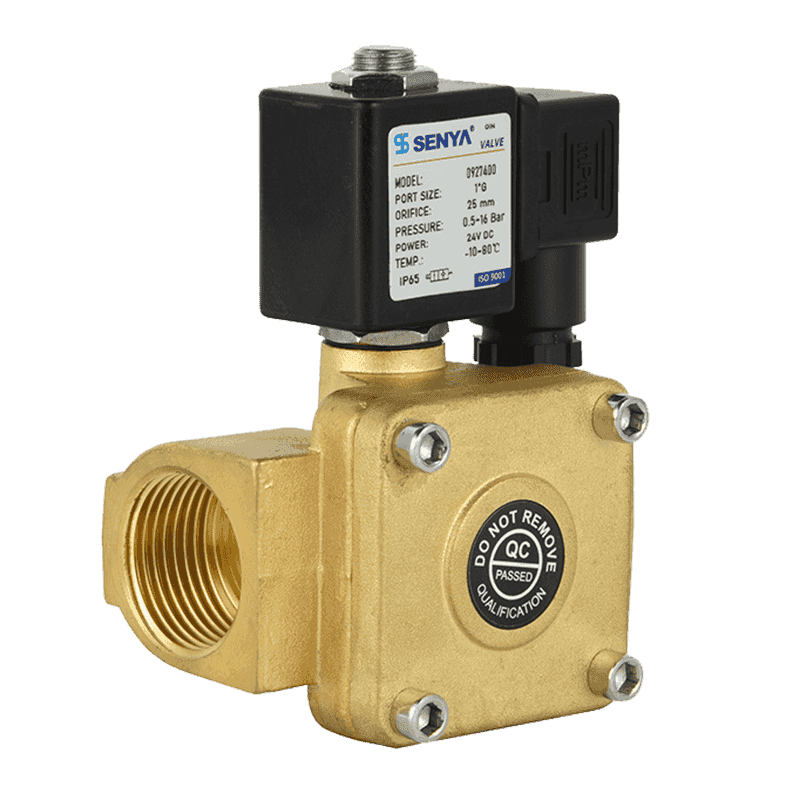
Brass Solenoid Valves are the most widely used body material for general-purpose applications. Brass (typically CuZn39Pb3) offers excellent machinability, good corrosion resistance to water and many non-aggressive media, and a working pressure capability up to 25 bar. Operating temperatures typically span -10°C to 150°C. Brass is the standard choice for water supply, compressed air, hydraulic oil, and HVAC applications. It is not suitable for seawater, ammonia, or highly oxidizing acids.
Stainless Steel Solenoid Valves
Stainless Steel Solenoid Valves (typically 304 or 316L grade) are mandated wherever corrosion resistance, hygiene, or high-pressure performance is critical. 316L stainless offers superior resistance to chlorides, acids, and alkaline solutions, with working pressures up to 200 bar in some configurations. These valves are the standard for food and beverage processing, pharmaceutical manufacturing, seawater handling, and chemical dosing. The advanced high concentricity machining applied during production ensures consistent seat geometry and leak-tight performance even under thermal cycling.
Plastic Solenoid Valves
Plastic body valves — commonly manufactured from PVC, PP (polypropylene), or PVDF — are selected for highly aggressive chemical media where even stainless steel would corrode. They are lightweight, electrically non-conductive, and resistant to a broad spectrum of acids and solvents. However, plastic valves are limited to lower pressures (typically up to 6 bar) and moderate temperatures (up to 60°C for PVC, up to 80°C for PP). They are widely used in chemical processing, water treatment, and laboratory environments.
The radar chart clearly illustrates each material's strengths and trade-offs. Stainless steel leads in maximum pressure capability and chemical resistance, making it the go-to material for demanding industrial and hygienic applications. Brass offers the best machinability and cost efficiency, positioning it as the practical default for standard water and air applications. Plastic excels in chemical resistance against aggressive media but is constrained by its lower pressure and temperature ratings — a trade-off that must be carefully evaluated before specification.
Applications of Solenoid Valves Across Industries
The Industrial Solenoid Valve finds application in virtually every sector that involves fluid or gas management. Their speed, reliability, and ease of integration with electronic control systems make them indispensable in modern automated processes.
- Agricultural Irrigation: Solenoid valves form the backbone of automated drip and sprinkler irrigation systems, enabling time- or sensor-triggered watering cycles that reduce water consumption by up to 40% compared to manual operation.
- Car Washing Systems: High-pressure wash bays rely on Electric Water Valves to sequence water, detergent, and rinse cycles with millisecond precision, ensuring consistent wash quality while minimizing chemical waste.
- Medical Sterilization Equipment: Autoclaves and sterilizers use stainless steel solenoid valves to control steam injection and exhaust with accuracy better than ±0.5°C, a requirement of ISO 11135 sterilization standards.
- Food and Beverage Processing: FDA/EHEDG-compliant stainless steel valves handle dairy, beverage, and food-grade liquid routing on automated production lines, where hygiene validation and CIP (Clean-In-Place) compatibility are mandatory.
- Music Fountains and Decorative Water Features: Programmable solenoid arrays create precisely timed water choreography, where each valve must respond within 20ms to synchronize with music or light cues.
- Mining and Dust Suppression: Heavy-duty solenoid valves control water misting systems that suppress airborne dust at conveyor transfer points, protecting worker health and maintaining air quality standards in compliance with mining regulations.
- Solar Water Heating Systems: Solar thermal installations use solenoid valves to manage glycol and water circulation between collectors and storage tanks, optimizing energy harvest across variable weather conditions.
Industrial automation and agricultural irrigation collectively account for over 53% of solenoid valve demand, reflecting the growing trend toward automated process control and precision resource management. Food, medical, and pharmaceutical applications represent the fastest-growing segment, driven by tightening hygiene regulations and the expansion of automated production lines. HVAC and water treatment applications remain a stable and significant market, supported by global infrastructure investment.
Installation Guide for Solenoid Valves
Correct installation is as critical as correct selection. Even a perfectly specified Water Solenoid Valve will underperform or fail prematurely if installed incorrectly. The following installation guidelines apply to the majority of 2/2 way direct-acting and pilot-operated solenoid valves.
- Verify Flow Direction: All solenoid valves are directional — an arrow on the body indicates the correct flow direction from inlet to outlet. Installing a valve backwards is among the most common installation errors and will result in failure to open (for pilot-operated designs) or seat leakage.
- Mounting Orientation: Most solenoid valves should be mounted with the coil in a vertical-upward position. Horizontal coil mounting may cause gravity-related spool misalignment over time, particularly in larger valve sizes. Always confirm acceptable mounting orientations in the product datasheet before finalizing installation.
- Install a Strainer Upstream: Particulate contamination is the leading cause of solenoid valve seat damage and internal leakage. Install a 40-mesh (400-micron) or finer strainer directly upstream of the valve on any system handling water, oil, or process fluids. Clean the strainer periodically based on media cleanliness.
- Check Voltage and Coil Compatibility: Match the supply voltage precisely to the coil rating. Operating at voltages more than ±10% of the rated value can cause coil overheating, erratic switching, or permanent coil damage. Use DIN 43650 connectors where possible for standardized, watertight electrical connections.
- Apply Appropriate Thread Sealant: Use PTFE tape or anaerobic thread sealant rated for the media being controlled. Do not over-tighten — brass valve bodies can crack if subjected to excessive torque. Use a torque wrench set to the manufacturer's specification, typically 20–40 Nm for 1/2" to 1" BSP fittings in brass.
- Pressure Test Before Commissioning: After installation, conduct a hydrostatic pressure test at 1.5× the maximum working pressure for a minimum of 30 minutes. Check all fittings and the valve body for leaks before energizing the coil.
| Error | Likely Consequence | Prevention |
|---|---|---|
| Reversed flow direction | Valve won't open / back-pressure damage | Check arrow marking before fitting |
| Wrong voltage coil | Coil burn-out within hours | Verify coil label vs. supply voltage |
| No upstream strainer | Seat wear, internal leakage | Install 40-mesh strainer |
| Coil mounted downward | Premature wear, actuator misalignment | Mount coil upright or horizontal per spec |
| Over-torqued fittings | Cracked valve body, leak | Use torque wrench per specification |
About SENYA — Ningbo SENYA Pneumatic Technology Co., Ltd.
Founded in 1994, Ningbo SENYA Pneumatic Technology Co., Ltd. is a professional China 2/2 Ways Solenoid Valve manufacturer and water solenoid valve factory operating under the guiding principle of "Customer Value Implementation." Since its establishment, SENYA has built a strong reputation for combining advanced manufacturing technology with responsive engineering support.
SENYA operates as a large-scale integrated production base, housing a precision machinery processing plant dedicated to the high and mid-end market segments. The company produces over 2,000,000 sets of pneumatic components — including cylinders and valves — annually. A precision automatic digital testing platform ensures the consistency and stability of every product that leaves the facility, while advanced high concentricity processing delivers tight geometric tolerances on stainless steel valve bodies.
SENYA's solenoid valves support an exceptionally wide operating envelope: temperatures from -20°C to 200°C (-4°F to 392°F) and pressures from micro-vacuum to 200 bar (4,351 psi). For demanding environments, SENYA provides valves with protection ratings of IP43, IP65, and IP68, ensuring reliable performance in outdoor, wet, and submersible installations.
Products are exported to over 30 countries including the United States, Turkey, Spain, Italy, the United Kingdom, South Korea, Australia, and Mexico. Application fields span car washing, medical sterilizing, automated production lines, mining, dust removal, music fountains, agricultural irrigation, solar projects, agricultural machinery, and food processing — demonstrating the breadth and adaptability of SENYA's fluid control solutions. As an OEM/ODM partner, SENYA makes customized product solutions genuinely accessible, offering 24-hour after-sales service and professional technical project support.
Maintenance Tips for Long-Lasting Solenoid Valve Performance
A well-maintained solenoid valve can deliver millions of switching cycles over many years of service. The following maintenance practices help prevent the most common failure modes — seat contamination, coil overheating, and seal degradation — that account for the majority of unplanned valve replacements.
- Regular Strainer Inspection: Clean or replace the upstream strainer every 3 to 6 months, or more frequently in systems with high particulate media. A clogged strainer creates increased pressure drop, reduces valve actuation force, and can cause the valve to remain partially closed under normal operating conditions.
- Seal and O-Ring Replacement: Sealing elements (NBR, EPDM, FKM/Viton) degrade due to chemical exposure, heat cycling, and compression set. Inspect seals annually in moderate service, or every 6 months in high-temperature or chemically aggressive applications. Replace seals proactively rather than waiting for visible leakage.
- Coil Temperature Monitoring: The coil surface temperature of a continuously energized solenoid should remain below 80°C at ambient temperature. If the coil feels excessively hot to the touch or shows discoloration, investigate the cause — overvoltage, excessive cycle frequency, or restricted ventilation are common culprits.
- Flushing After Long Idle Periods: Valves that have been idle for extended periods (weeks or months) should be manually actuated several times before returning to service. This dislodges any crystallized mineral deposits or dried media that may have formed on the seat or plunger during inactivity.
- Check Electrical Connections Periodically: Moisture ingress at the coil connector is a leading cause of intermittent valve operation and coil failure. Inspect DIN connectors for corrosion, verify the gasket is intact, and re-apply dielectric grease at terminals in outdoor or humid environments.
The line chart illustrates the dramatic impact of maintenance quality on solenoid valve service life. Valves operating with no maintenance typically last approximately one year before requiring replacement, while those under a proactive maintenance program — including scheduled seal replacement, coil inspection, and strainer cleaning — regularly achieve service lives of 10 years or more. For process-critical applications where unplanned downtime is costly, investing in structured preventive maintenance delivers measurable return on investment far exceeding the cost of the maintenance activities themselves.
Frequently Asked Questions
Q1: What does 2/2 way mean on a solenoid valve?
The designation "2/2" follows standard valve notation where the first number indicates the number of ports (2 — inlet and outlet) and the second number indicates the number of switching positions (2 — open or closed). A 2/2 Way Solenoid Valve therefore functions as a simple on/off switch for a single flow path, making it the most straightforward and widely applied solenoid valve configuration.
Q2: What is the difference between a normally closed and normally open solenoid valve?
A Normally Closed (NC) Solenoid Valve is sealed when de-energized — fluid only flows when power is applied. A Normally Open (NO) valve allows flow when de-energized and closes when energized. NC valves are specified where a power failure must stop flow (safety shutoff); NO valves are used where flow must continue during power failure (cooling, emergency water supply).
Q3: Can a solenoid valve be used for hot water or steam?
Yes, provided the valve materials and seals are correctly specified. For hot water above 90°C or steam applications, select a valve with a Stainless Steel Solenoid Valve body, PTFE or FKM seals, and a coil rated for the elevated ambient temperature. Brass valves with EPDM seals are generally suitable for water up to 90°C. Always verify the valve's maximum temperature and pressure ratings against your specific steam conditions.
Q4: Why does my solenoid valve hum or vibrate during operation?
Humming is common in AC-powered solenoid valves and typically results from the alternating magnetic field causing the plunger to oscillate at line frequency (50 or 60 Hz). A shading ring inside the coil reduces this vibration — if the shading ring is damaged or missing, humming will intensify. Other causes include incorrect supply voltage, worn internal components, or excessive back-pressure. DC-powered coils eliminate AC hum entirely and are preferred in noise-sensitive applications.
Q5: What IP rating do I need for an outdoor water solenoid valve installation?
IP65 is the minimum recommended rating for outdoor solenoid valve installations exposed to rain or water spray — it provides total dust protection and protection against low-pressure water jets from any direction. For submerged or flood-prone installations (underground irrigation boxes, for example), IP68 is required, offering protection against continuous immersion at defined depth. IP43 is suitable only for sheltered indoor environments with limited splash risk.
Q6: Can solenoid valves handle viscous fluids like oil?
Yes, but viscosity directly affects valve selection. Higher fluid viscosity increases the force required to move through an orifice, which reduces effective flow and can slow the valve's response time. For oils with viscosity above 50 cSt, select a direct-acting valve with a larger orifice and confirm the coil has sufficient electromagnetic force for the operating pressure. Pilot-operated valves may not function reliably with high-viscosity media if the pilot orifice becomes restricted. Always specify the fluid viscosity when requesting valve recommendations.
.png?imageView2/2/w/326/h/326/format/jpg/q/75)
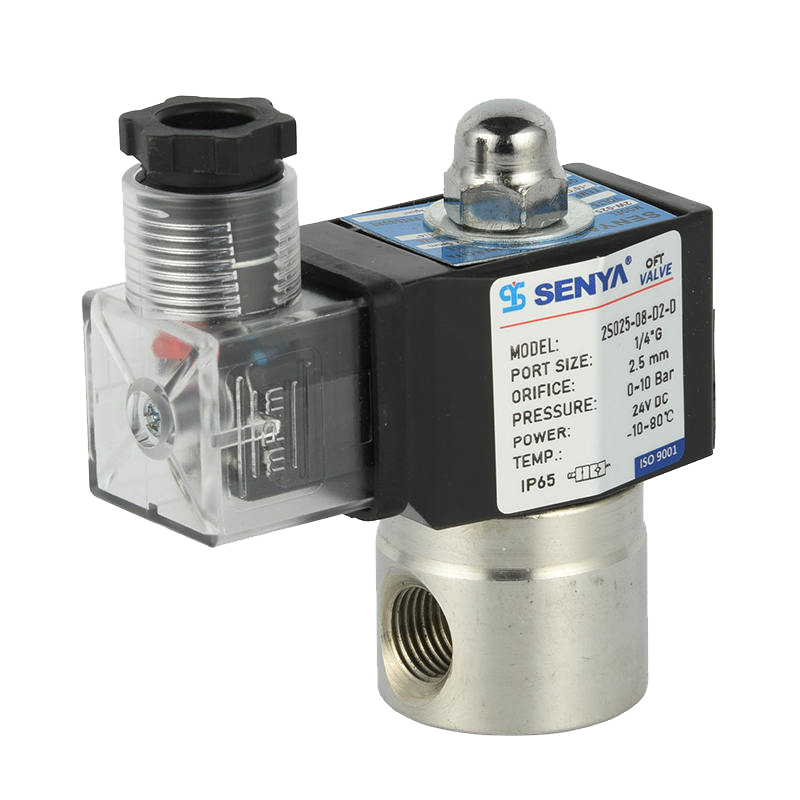
.png?imageView2/2/w/326/h/326/format/jpg/q/75)
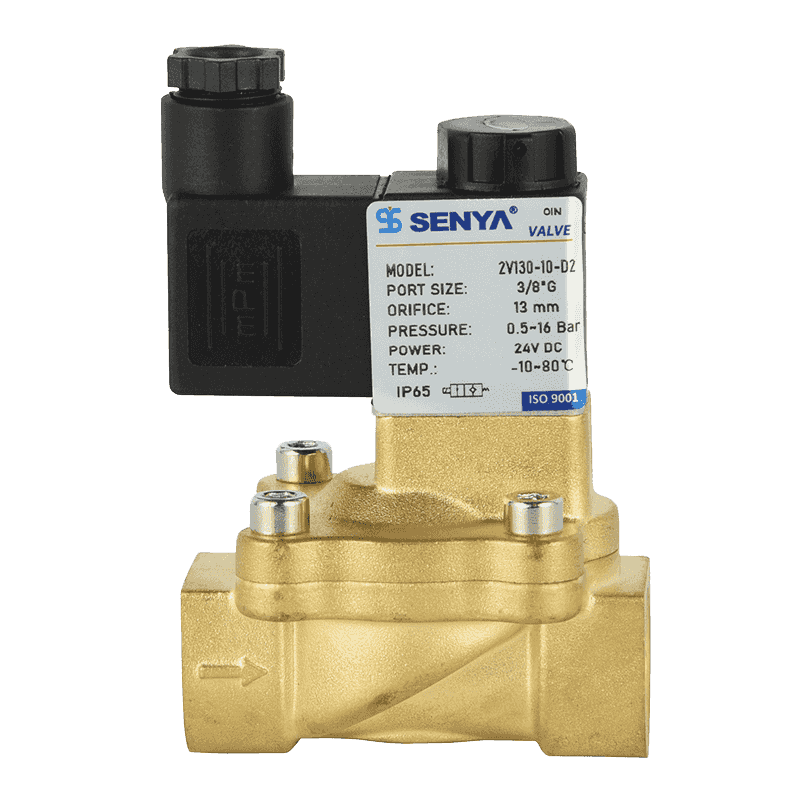
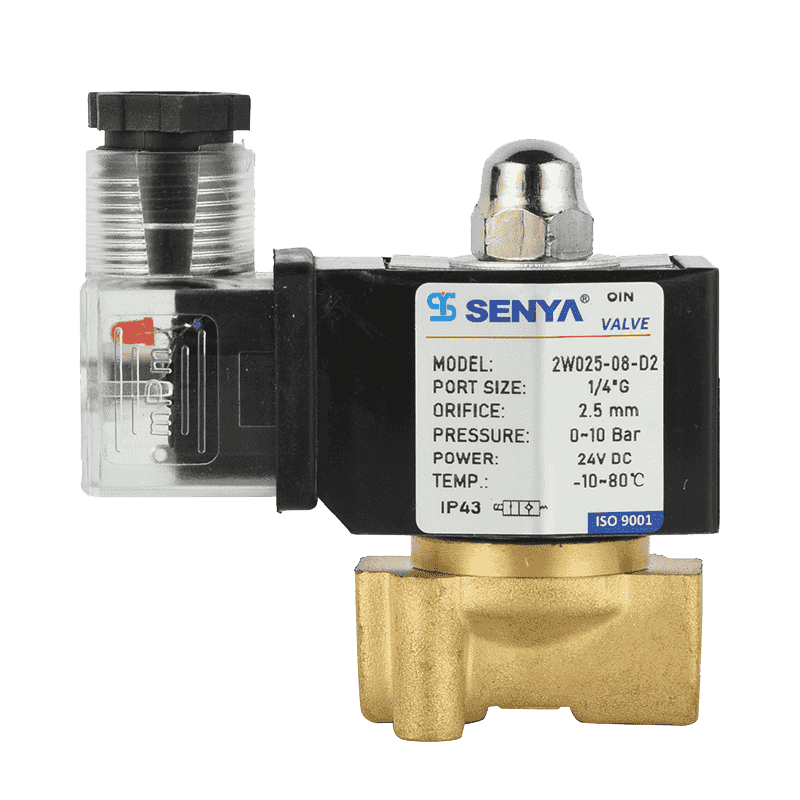
.png?imageView2/2/w/326/h/326/format/jpg/q/75)
.png?imageView2/2/w/326/h/326/format/jpg/q/75)
.png?imageView2/2/w/326/h/326/format/jpg/q/75)