
 简体中文
简体中文 English
 Русский
Content
- 1 Understanding 2/2 Way Pneumatic Valves
- 2 Key Factors to Consider When Choosing a 2/2 Way Pneumatic Valve
- 3 1. Operating Pressure Range
- 4 2. Material and Construction
- 5 3. Valve Size and Flow Capacity
- 6 4. Response Time
- 7 5. Control Mechanism
- 8 6. Environmental Conditions
- 9 7. Cost and Maintenance
- 10 8. Compatibility with Other System Components
- 11 Frequently Asked Questions
Understanding 2/2 Way Pneumatic Valves
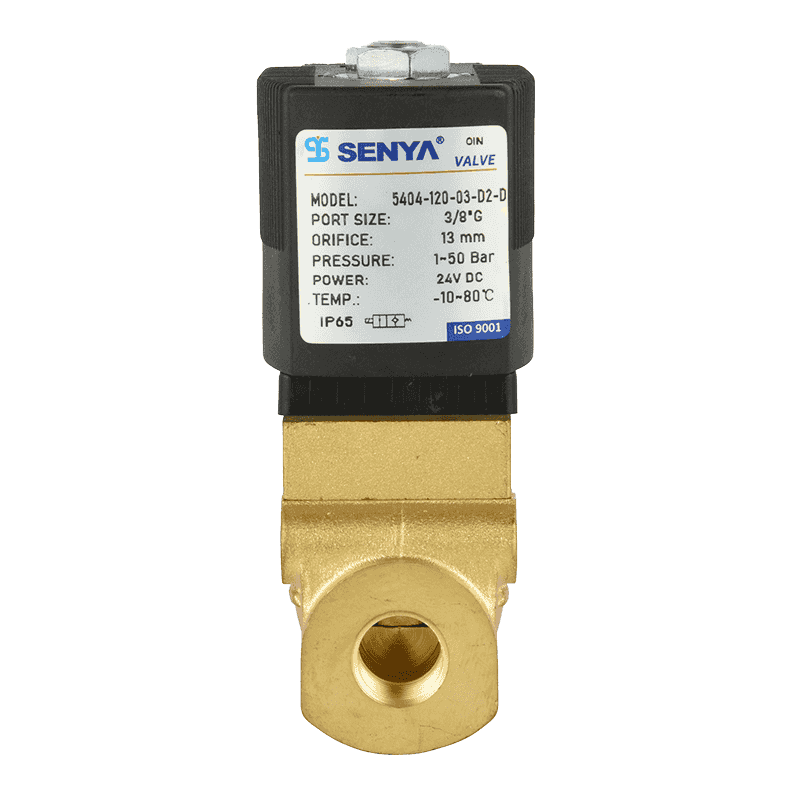
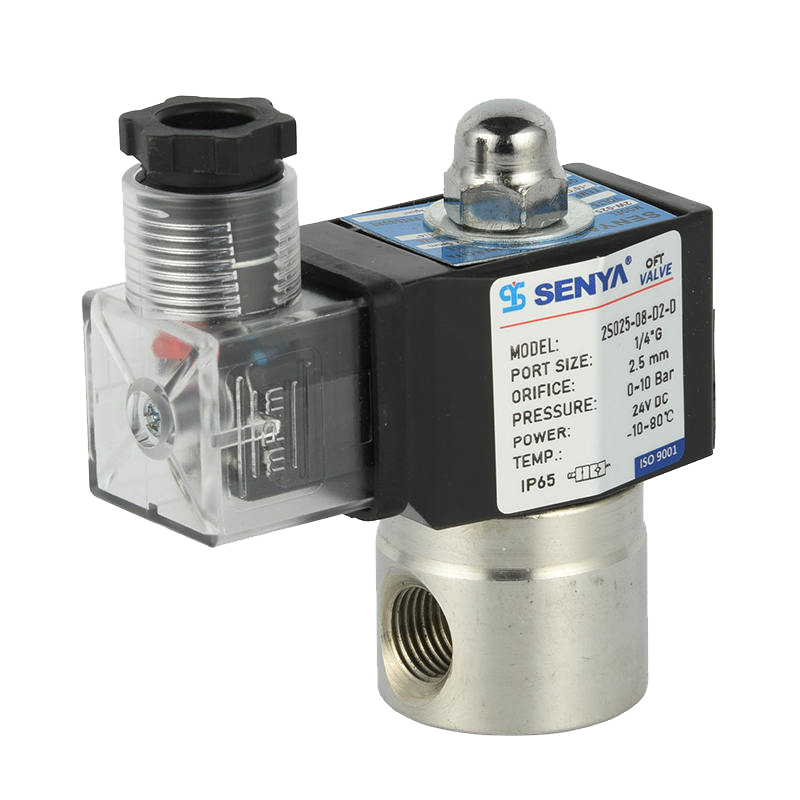
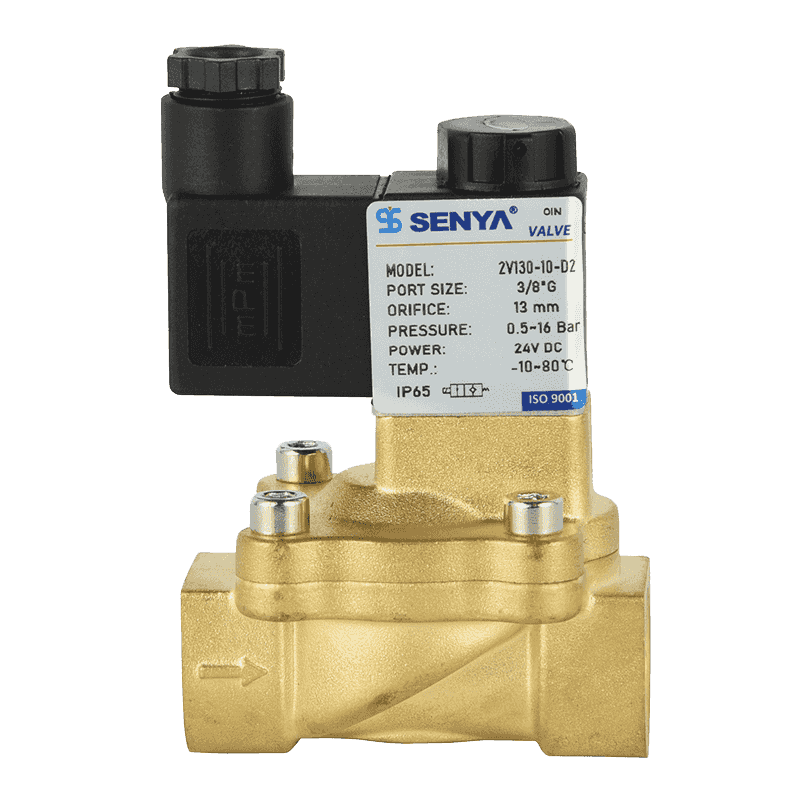
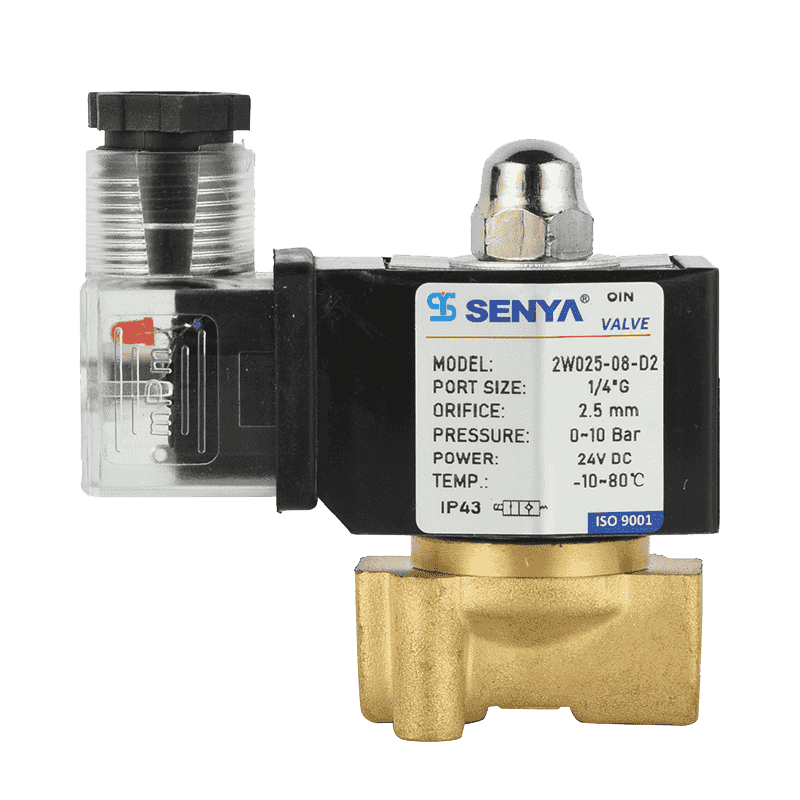
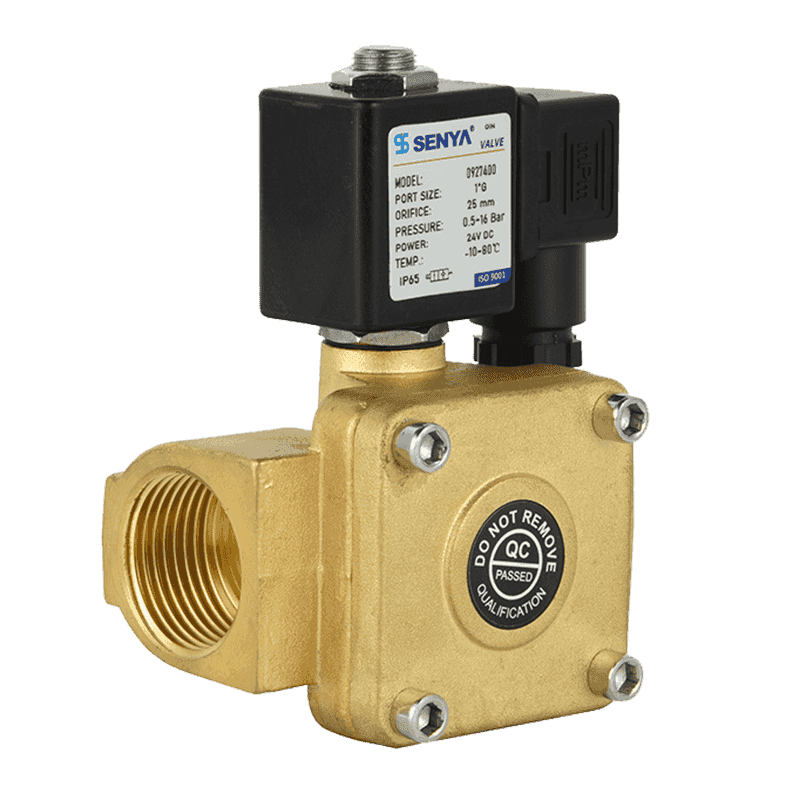
A 2/2 way pneumatic valve is a fundamental component in pneumatic systems, used to control the flow of air or other gases. It consists of two ports: an inlet and an outlet, and operates to either allow or stop the flow based on its state. These valves are often used in applications that require reliable on/off control of pressurized systems.
Key Factors to Consider When Choosing a 2/2 Way Pneumatic Valve
Choosing the right 2/2 way pneumatic valve is crucial for the efficiency and longevity of your pneumatic system. Below are several factors to help guide your decision-making process.
1. Operating Pressure Range
Why It Matters: Every pneumatic valve has a specific pressure range within which it operates efficiently. Choosing a valve that matches the operational pressure of your system is essential for performance and safety. A valve that is not designed for your system’s pressure range could fail prematurely or even cause damage to other components.
Example: If your system operates at 8 bar, selecting a valve rated for 5-10 bar pressure would be ideal, ensuring both reliability and optimal flow control.
2. Material and Construction
Why It Matters: The materials used in the construction of the valve determine its resistance to wear, corrosion, and chemical exposure. Choosing the right material ensures the valve can withstand environmental factors such as humidity, temperature, and the type of gas it controls.
Example: If the valve will be exposed to corrosive gases, a stainless steel or brass valve would be a better choice than a standard plastic valve.
3. Valve Size and Flow Capacity
Why It Matters: The size of the valve determines its flow capacity and its ability to handle the volume of air or gas in your system. An undersized valve may result in a pressure drop, while an oversized valve could lead to excessive energy consumption and inefficiency.
Example: A valve with a larger orifice may be needed in systems with high flow rates, while a smaller orifice might suffice in applications with low flow requirements.
4. Response Time
Why It Matters: In many applications, the speed at which the valve opens or closes is crucial. Faster response times can improve overall system performance, especially in systems that require rapid changes in airflow or pressure.
Example: In automated manufacturing processes, a valve with a quick response time can significantly reduce cycle times, improving efficiency.
5. Control Mechanism
Why It Matters: Pneumatic valves can be manually operated, solenoid-driven, or operated using a pilot system. The choice of control mechanism affects the valve’s ease of use, automation compatibility, and system integration.
Example: For automated systems, a solenoid-operated valve might be ideal, while a manually operated valve might work better for simple on/off control in a less complex system.
6. Environmental Conditions
Why It Matters: The operating environment can influence the longevity and efficiency of the valve. Extreme temperatures, exposure to chemicals, or moisture can all affect performance. Consider valves with seals or coatings designed to withstand harsh conditions if needed.
Example: A valve with IP65 or higher rating would be more suitable for outdoor or high-humidity environments.
7. Cost and Maintenance
Why It Matters: While initial cost is important, consider the long-term maintenance requirements. A high-quality valve may have a higher upfront cost, but lower maintenance costs and longer lifespan may make it more cost-effective in the long run.
Example: Some valves come with self-cleaning features or longer warranty periods, which can reduce the need for repairs and replacements.
8. Compatibility with Other System Components
Why It Matters: The 2/2 way valve must be compatible with other components in the pneumatic system, such as actuators and compressors. Ensuring that all components work harmoniously can prevent system failures and improve overall efficiency.
Example: If your system includes sensors or other automated equipment, ensure that the valve chosen integrates easily with these components.
Frequently Asked Questions
What is the difference between a 2/2 way valve and a 3/2 way valve?
A 2/2 way valve controls the flow between two points, typically for on/off control, while a 3/2 way valve has three ports and is used for controlling more complex flow directions.
Can a 2/2 way pneumatic valve be used for both high and low-pressure systems?
Yes, but it is essential to select a valve with a pressure rating that matches your system requirements to ensure reliable operation.
How do I know if a valve is compatible with my system?
Check the valve's specifications against your system’s pressure, flow rate, and environmental conditions. It’s also useful to ensure that the valve’s material and construction align with the demands of your application.
.png?imageView2/2/w/326/h/326/format/jpg/q/75)
.png?imageView2/2/w/326/h/326/format/jpg/q/75)
.png?imageView2/2/w/326/h/326/format/jpg/q/75)
.png?imageView2/2/w/326/h/326/format/jpg/q/75)
.png?imageView2/2/w/326/h/326/format/jpg/q/75)