
 简体中文
简体中文 English
 Русский
The short answer is yes. A 2/2 ways pneumatic valve is one of the most efficient and cost-effective solutions for basic on-off air or fluid control. With only two ports and two positions, it provides fast response, low air consumption, and reliable operation in automation, packaging, and industrial systems.
Content
What Is a 2/2 Ways Pneumatic Valve?
A 2/2 ways pneumatic valve has two ports (inlet and outlet) and two switching positions (open and closed). Its primary function is to start or stop the flow of compressed air or other compatible media.
In industrial automation, this valve is often used where only simple flow control is required, such as activating cylinders, isolating air lines, or controlling air supply to machines.
Normally Closed vs Normally Open
- Normally Closed (NC): Valve remains closed when no air or power is applied.
- Normally Open (NO): Valve remains open when no air or power is applied.
How Does a 2/2 Ways Pneumatic Valve Work?
The working principle is straightforward. When a control signal (air pilot or electrical solenoid) is applied, the internal spool or diaphragm shifts position, allowing or blocking airflow.
Typical switching response time ranges from 20 to 50 milliseconds, making these valves ideal for high-speed automation lines.
Key Operation Advantages
- Fast switching speed
- Low internal leakage
- Simple mechanical structure
Why Choose a 2/2 Ways Pneumatic Valve?
Compared with 3/2 or 5/2 directional valves, the 2/2 ways pneumatic valve offers a simpler and more economical solution for basic flow control tasks.
Core Benefits
- Lower cost: Fewer internal components reduce manufacturing and maintenance costs.
- Compact size: Saves installation space in control cabinets.
- Energy efficiency: Minimal air loss during operation.
In many factories, switching from mechanical shut-off valves to pneumatic 2/2 valves has reduced manual operation time by up to 30% and improved process consistency.
Where Are 2/2 Ways Pneumatic Valves Commonly Used?
Due to their versatility, 2/2 ways pneumatic valves are widely used across multiple industries.
- Packaging machines (air supply control)
- Food and beverage processing lines
- Automotive assembly systems
- Textile machinery and printing equipment
| Industry | Main Function |
|---|---|
| Packaging | Air on-off control |
| Food Processing | Hygienic airflow management |
| Automation Lines | Equipment isolation |
How to Select the Right 2/2 Ways Pneumatic Valve?
Choosing the correct valve directly affects system performance and service life.
Key Selection Factors
- Working pressure range: Typical range is 0.15–0.8 MPa.
- Flow rate (Cv value): Higher flow reduces pressure loss.
- Body material: Aluminum alloy for standard use, stainless steel for corrosive environments.
- Seal material: NBR, Viton, or EPDM depending on temperature and media.
For example, in high-temperature applications above 120°C, Viton seals are preferred for long-term stability.
FAQ About 2/2 Ways Pneumatic Valves
Is a 2/2 ways pneumatic valve suitable for liquid control?
Yes, some models are designed for water or light oil applications, but material compatibility must be checked before use.
What is the average service life?
High-quality valves typically support 10 to 30 million cycles under proper operating conditions.
Can it replace a manual shut-off valve?
Yes. In automated systems, a 2/2 ways pneumatic valve can fully replace manual valves and improve response speed and safety.
Does it require regular maintenance?
Only basic maintenance is needed, such as keeping air clean and checking seals periodically, which significantly reduces downtime.
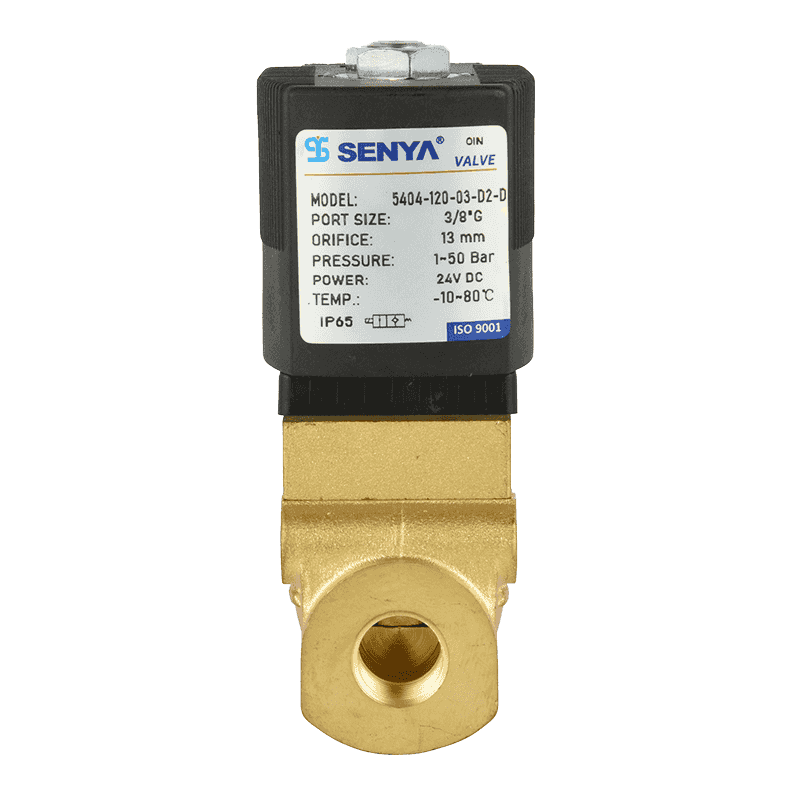
.png?imageView2/2/w/326/h/326/format/jpg/q/75)
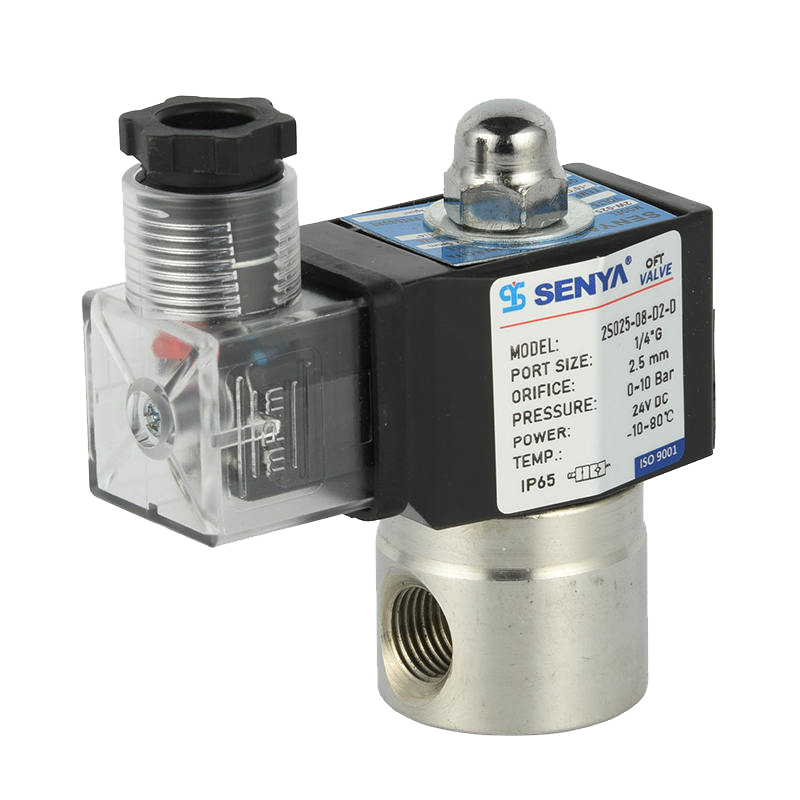
.png?imageView2/2/w/326/h/326/format/jpg/q/75)
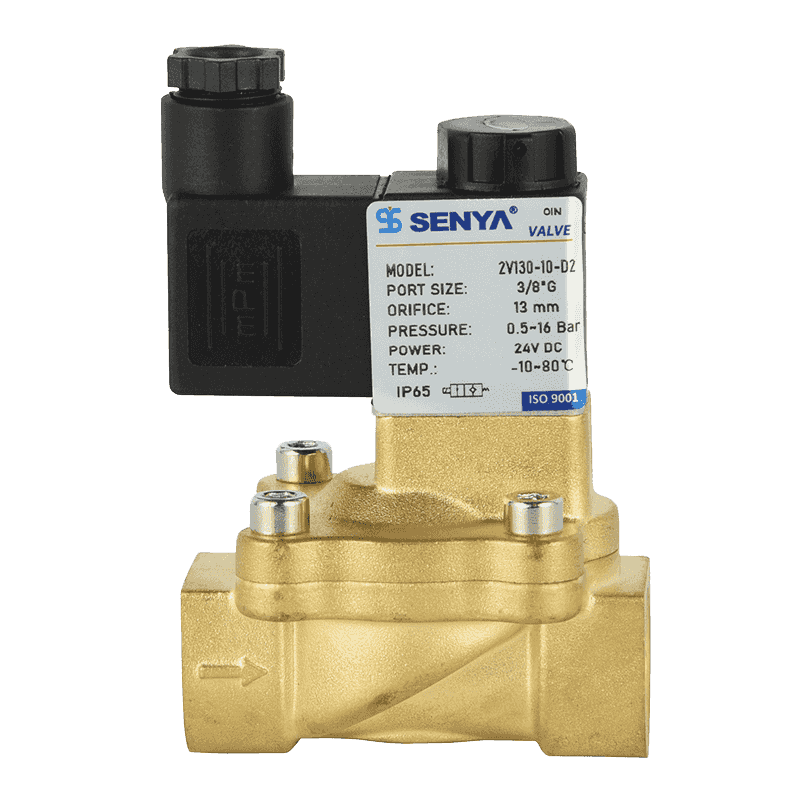
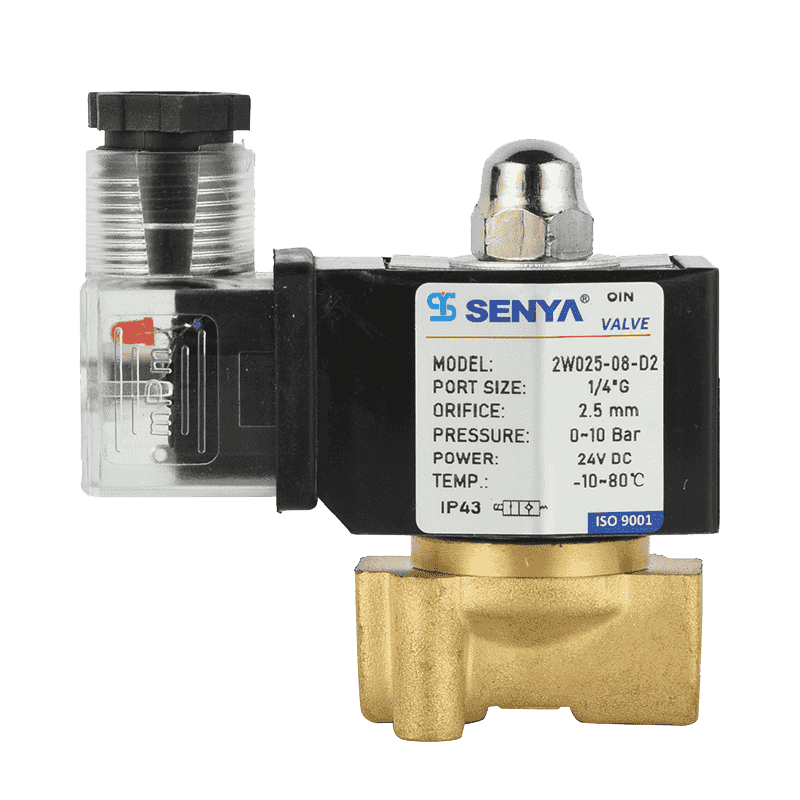
.png?imageView2/2/w/326/h/326/format/jpg/q/75)
.png?imageView2/2/w/326/h/326/format/jpg/q/75)
.png?imageView2/2/w/326/h/326/format/jpg/q/75)