
 简体中文
简体中文 English
 Русский
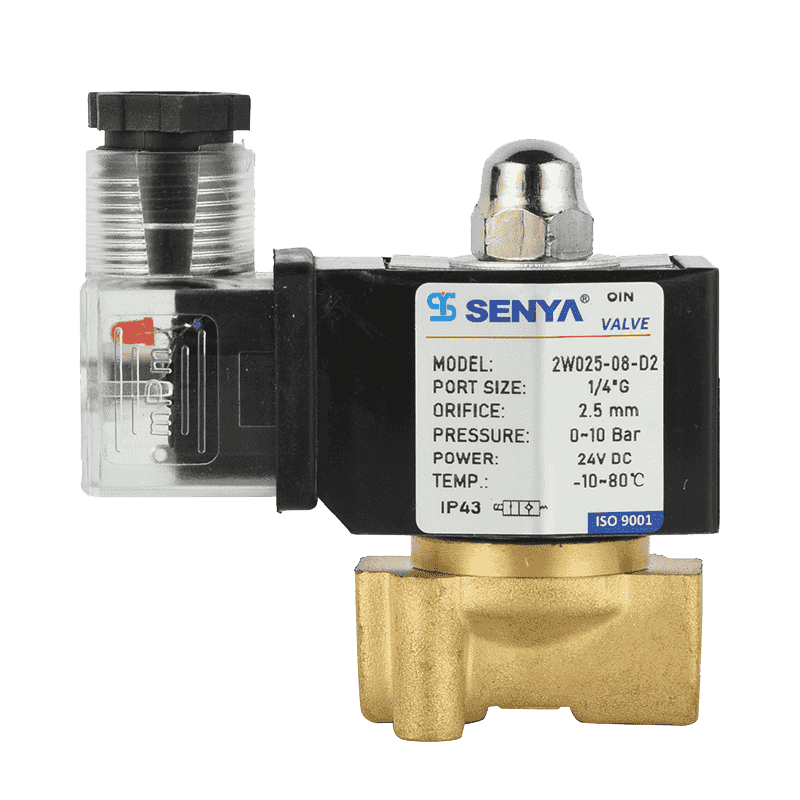
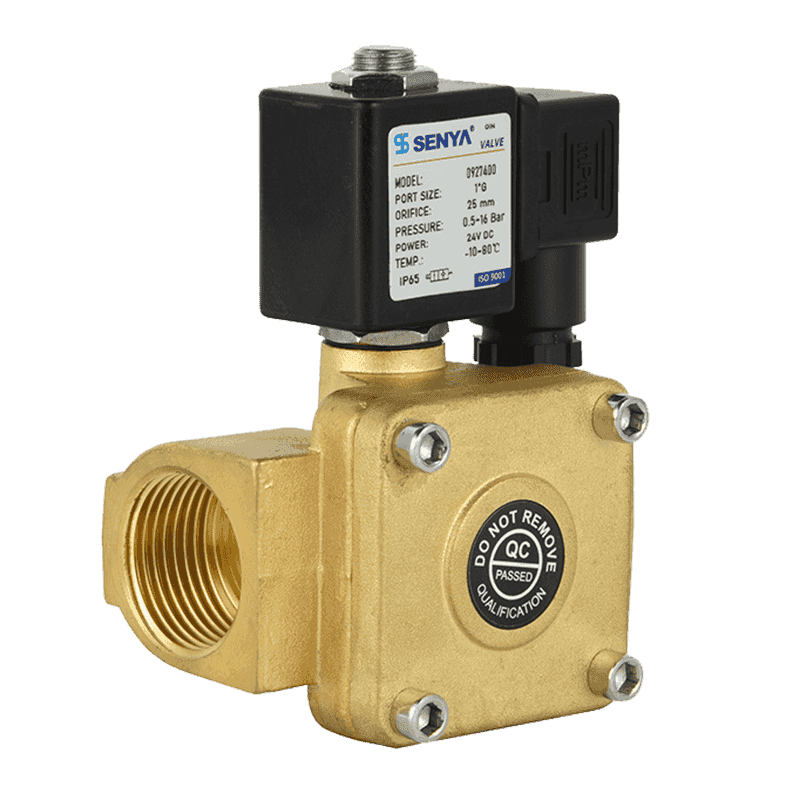
In industrial automation, HVAC, water treatment, and fluid control systems, the 2/2 Ways Solenoid Valve is a common control element used to open and close fluid channels, enabling automated control. Two-way solenoid valves are small, responsive, and easy to install, but the variety of models, materials, operating pressures, and voltages on the market can be confusing for many engineers and purchasers. So, how do you choose the right two-way solenoid valve?
1. Working Principle of Two-Way Solenoid Valves
A two-way solenoid valve typically consists of a valve body, valve core, coil, and seals. The working principle is simple:
Opening or closing the valve by energizing the coil
When the electromagnetic coil is energized, it generates a magnetic force that attracts the valve core, opening or closing the valve port, thereby controlling the flow of liquid or gas.
Fast response control system
Due to its compact structure and rapid action, the two-way solenoid valve can be used with automated control systems to achieve precise flow control or timed switching.
Understanding the working principle helps in determining whether the valve is suitable for specific operating conditions during selection.
2. Key Parameters to Consider During Selection
When choosing a two-way solenoid valve, the following parameters need to be considered:
Operating Pressure
Select the valve rating based on the system's maximum operating pressure to ensure the valve does not leak or fail under high pressure.
Operating Temperature
Different sealing materials have different temperature resistance. High-temperature environments require heat-resistant rubber or metal seals.
Flow Rate (Cv value)
Calculate the valve flow coefficient based on the pipe diameter and flow requirements to ensure normal system flow.
Voltage and Power
Common voltage specifications include AC220V, AC110V, DC24V, etc., which must match the control system.
Action Type
Divided into normally closed (de-energized to close) and normally open (de-energized to open), choose the appropriate type based on the control logic.
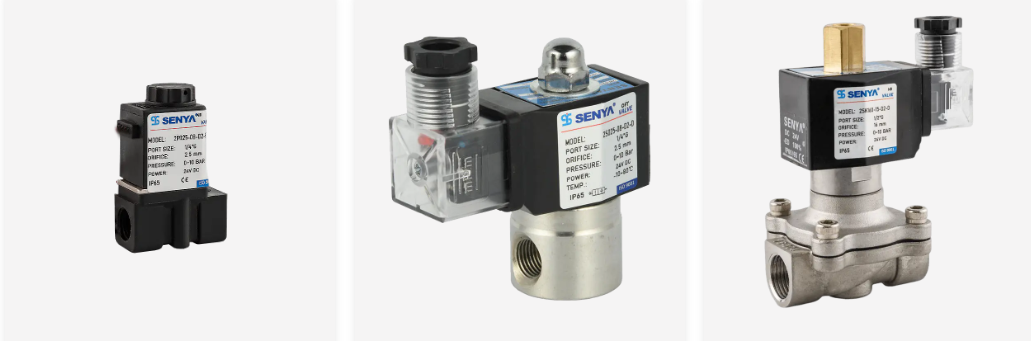
3. Material Selection
The material of the two-way solenoid valve directly affects its corrosion resistance, pressure resistance, and lifespan. Common materials include:
Valve Body Material
Brass: Good corrosion resistance, suitable for non-corrosive media such as water and air. Stainless Steel: Suitable for acidic, alkaline, or corrosive media, with a long service life.
Cast Iron: Suitable for low-pressure liquid systems, with low cost.
Seal Material
NBR (Nitrile Rubber): Good oil resistance, suitable for general liquids and gases.
EPDM (Ethylene Propylene Diene Monomer): Acid and alkali resistant, high temperature resistant, suitable for hot water or chemical liquids.
Viton (Fluorocarbon Rubber): High temperature and corrosion resistant, with a long service life.
Material selection should consider the characteristics of the medium, temperature, and pressure.
4. Application Scenarios
Two-way solenoid valves are widely used in various industrial and civil fields:
HVAC (Heating, Ventilation, and Air Conditioning) Systems
Used to control the flow of hot and cold water for temperature regulation.
Water Treatment Systems
Used for water pump control, liquid diversion, and automated filling.
Industrial Gas Control
Controls the flow direction of compressed air and inert gases, used in conjunction with automated production lines.
Filling and Fluid Transportation Equipment
Used for automatic liquid distribution in the food, chemical, and pharmaceutical industries.
Choosing the appropriate material, pressure rating, and action type based on the application scenario can significantly improve system stability and lifespan.
5. Installation and Maintenance Precautions
Correct Installation Direction
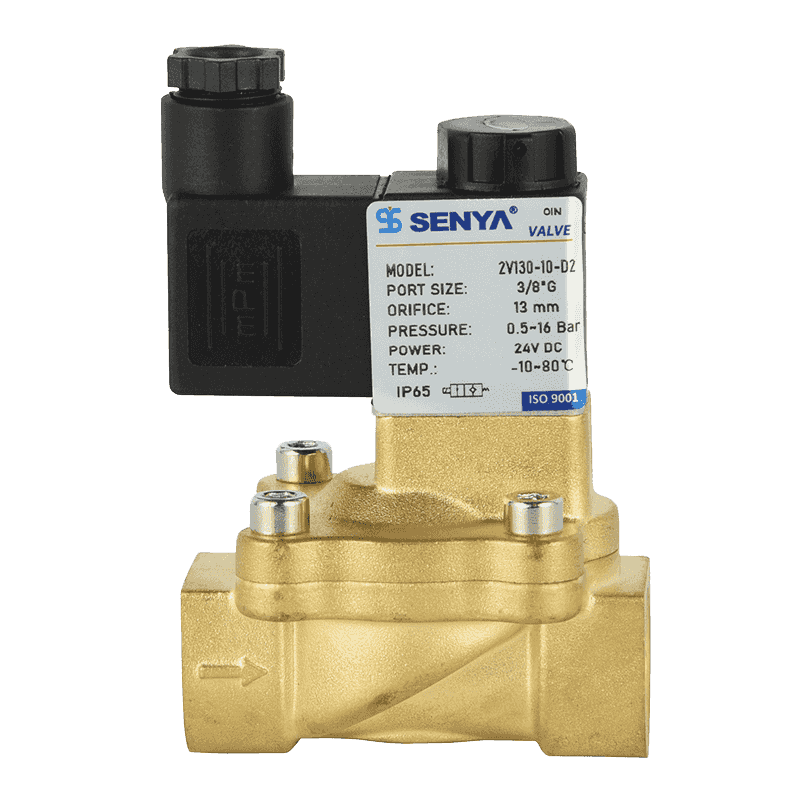
Two-way solenoid valves usually have a flow direction arrow marked on the valve body. They must be installed in the direction of the arrow; otherwise, the valve will not function properly.
Avoid Impurity Blockage
The pipeline should be cleaned before installation, and a filter screen should be installed if necessary to prevent particulate matter from blocking the valve core.
Regular Inspection and Maintenance
Regularly inspect the valve body, seals, and solenoid coil. Replace worn parts promptly to ensure long-term reliable operation.
Prevent Overpressure and Overtemperature
Follow the manufacturer's rated pressure and temperature range to avoid damaging the valve or affecting control accuracy.
Choosing the appropriate two-way solenoid valve requires comprehensive consideration of working pressure, temperature, flow rate, voltage, material, and action type. Understanding the equipment operating conditions, media characteristics, and control requirements, and referring to standard parameters and material selection, will ensure the long-term stable operation of the valve. Through proper selection and standardized installation, two-way solenoid valves can not only improve the level of system automation but also extend equipment life and reduce maintenance costs, becoming an indispensable control component in industrial automation and civil water systems.
.png?imageView2/2/w/326/h/326/format/jpg/q/75)
.png?imageView2/2/w/326/h/326/format/jpg/q/75)
.png?imageView2/2/w/326/h/326/format/jpg/q/75)
.png?imageView2/2/w/326/h/326/format/jpg/q/75)
.png?imageView2/2/w/326/h/326/format/jpg/q/75)