
 简体中文
简体中文 English
 Русский
To install a 2/2 way solenoid valve correctly, mount it in the right flow direction, connect electrical wiring to spec, and verify for leaks before commissioning. To maintain it, inspect the coil, clean the valve body, and replace worn seals on a scheduled basis. Do both right and a quality solenoid valve will deliver millions of reliable switching cycles with minimal downtime.
This guide walks through every step — from pre-installation checks to long-term maintenance — using practical data and real-world examples applicable to water solenoid valves, pneumatic lines, and fluid control systems across industries.
Content
- 1 Understanding How a 2/2 Way Solenoid Valve Works
- 2 Tools and Pre-Installation Checks You Must Complete First
- 3 Step-by-Step Installation of a 2/2 Way Solenoid Valve
- 4 Recommended Maintenance Schedule for Solenoid Valves
- 5 How to Clean and Rebuild a Solenoid Valve Internally
- 6 Troubleshooting Common Solenoid Valve Problems
- 7 Selecting the Right Seal Material for Your Application
- 8 About Ningbo SENYA Pneumatic Technology Co., Ltd.
- 9 Frequently Asked Questions
Understanding How a 2/2 Way Solenoid Valve Works
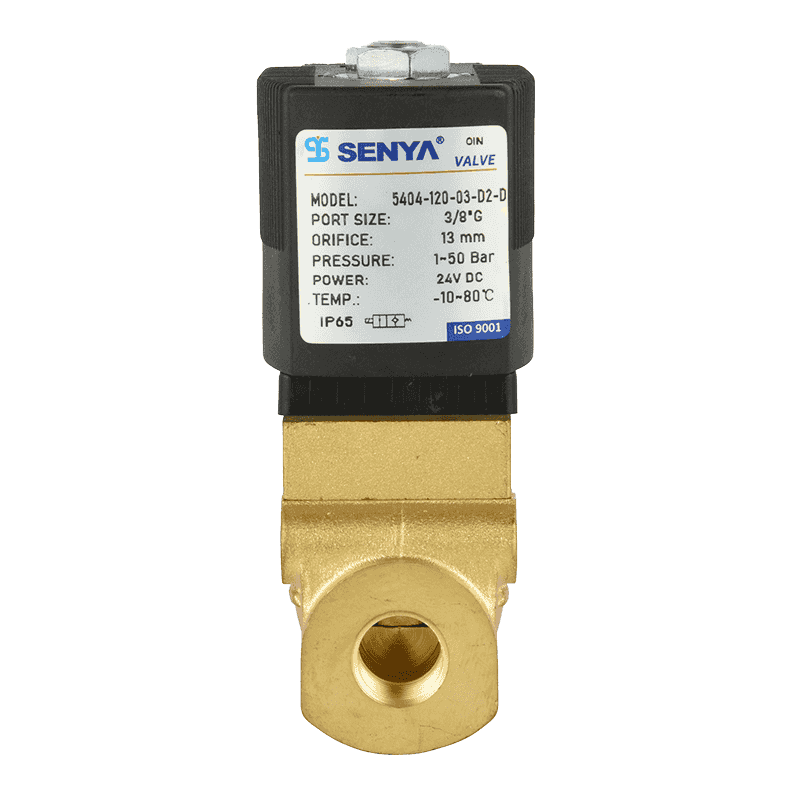
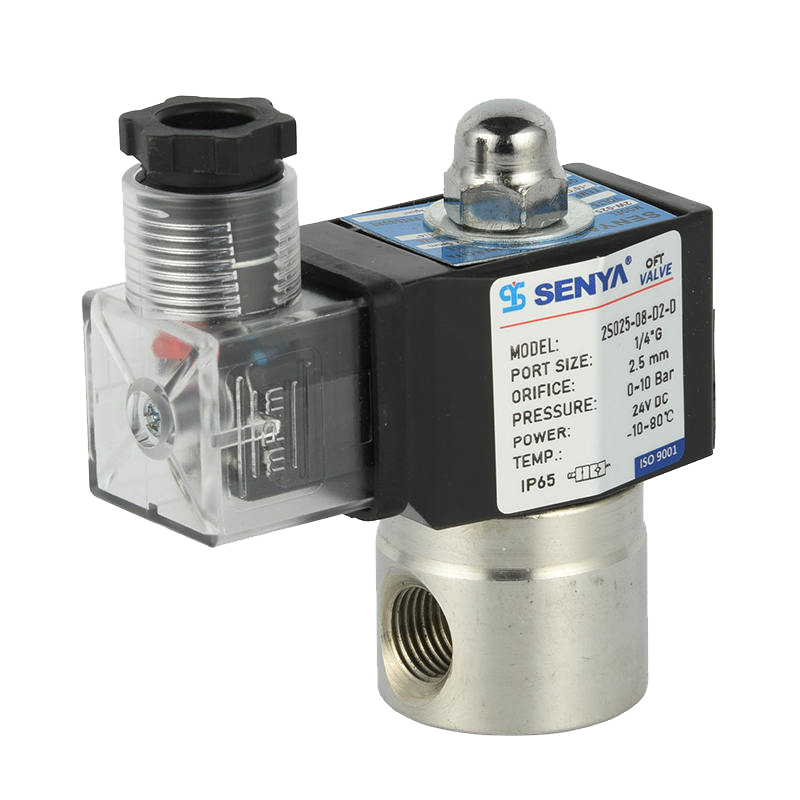
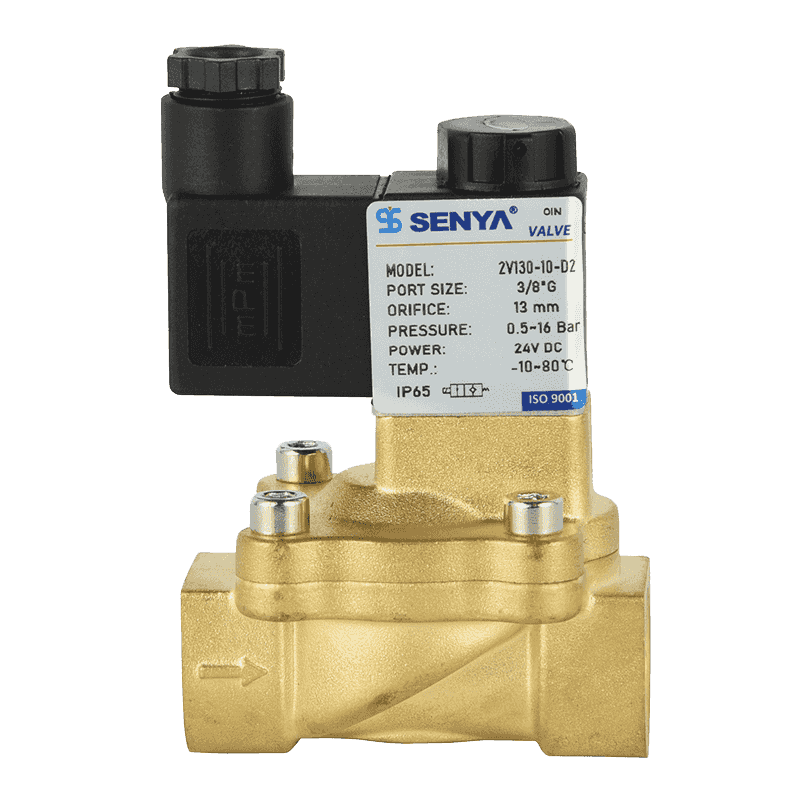
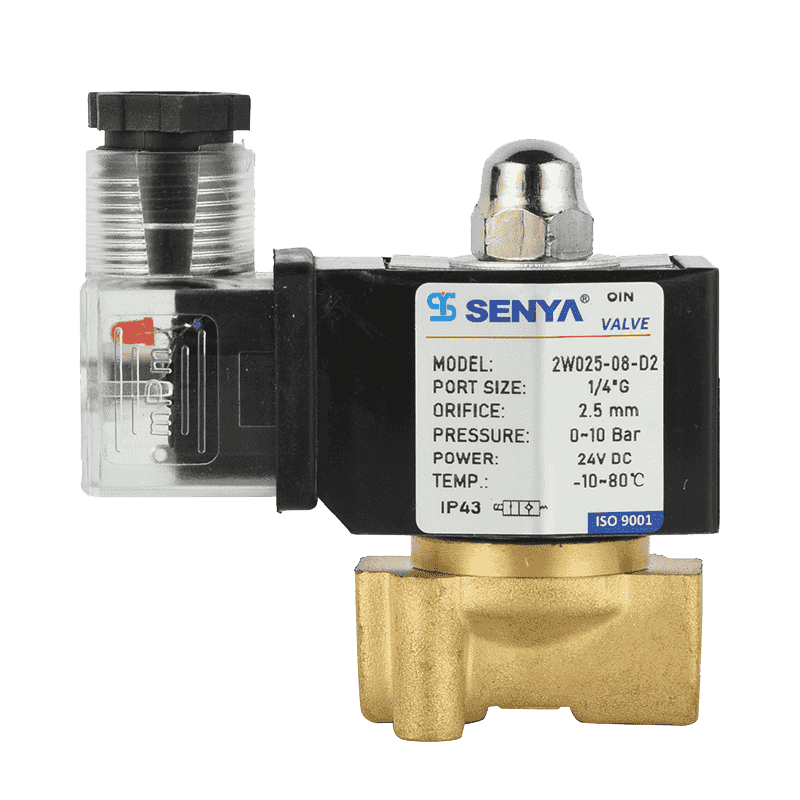
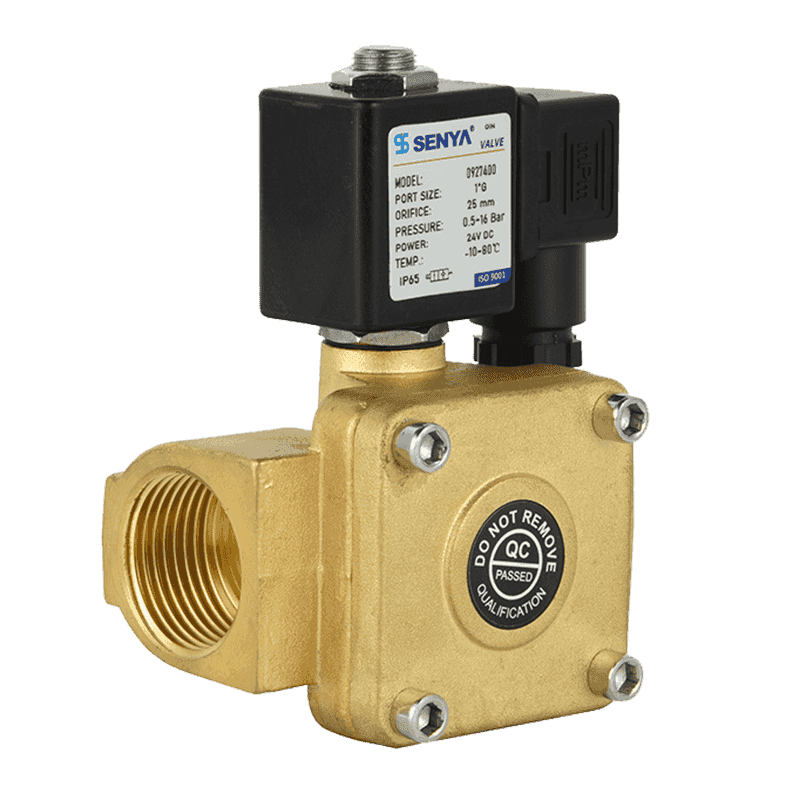
A 2/2 way solenoid valve has two ports and two positions: open and closed. When the coil is energized, the electromagnetic force lifts the plunger or pilot diaphragm, allowing media to flow from inlet (Port 1) to outlet (Port 2). De-energize the coil, and a spring returns the valve to its default position — either normally closed (NC) or normally open (NO).
This simple on/off design makes it the most widely used valve type in automated systems. Common media include water, air, steam, oil, and light chemicals. The operating pressure range for direct-acting solenoid valves is typically 0 to 10 bar, while pilot-operated variants can handle up to 16 bar or higher.
- Direct-acting: Works at zero differential pressure; ideal for low-flow, low-pressure applications
- Pilot-operated (indirect-acting): Uses line pressure to assist opening; suited for larger pipe diameters and higher flow rates
- Semi-direct acting: Combines both principles; effective across a wide pressure range including zero differential
Tools and Pre-Installation Checks You Must Complete First
Rushing installation without preparation is the leading cause of early valve failure. Before touching a fitting, complete these checks:
Verify Valve Specifications Match Your System
- Port size: Match the pipe thread size (e.g., G1/4, G1/2, NPT 3/4)
- Coil voltage: Confirm AC or DC supply (commonly 12VDC, 24VDC, 110VAC, or 220VAC)
- Media compatibility: Confirm body material (brass, stainless steel, PVC) suits your fluid
- Pressure rating: Ensure rated pressure exceeds your system's maximum operating pressure by at least 20%
- NC vs. NO: Confirm fail-safe position matches your process safety requirements
Tools Required
- Adjustable wrench and pipe wrenches (appropriate to port size)
- PTFE thread seal tape or pipe compound
- Multimeter (for coil resistance and voltage verification)
- Leak detection spray or soapy water
- Electrical screwdriver and wire strippers
Step-by-Step Installation of a 2/2 Way Solenoid Valve
Step 1 — Isolate and Depressurize the System
Shut off the upstream isolation valve and bleed residual pressure from the line. For water solenoid valve installations, also close the downstream valve. Never work on a pressurized line — even at low pressure, unexpected actuation can cause injury.
Step 2 — Determine and Mark Flow Direction
Every solenoid valve body carries a flow direction arrow. Installing against the arrow is a critical error that causes the valve to hold shut even when energized in pilot-operated types, or to leak at low pressure in direct-acting types. Mark the flow direction on the pipe before threading.
Step 3 — Apply Thread Sealant and Mount the Valve
Apply 2–3 wraps of PTFE tape clockwise on male threads, starting one thread back from the end. Hand-tighten first, then use a wrench for 1 to 1.5 additional turns. Over-tightening can crack the valve body — especially on brass and plastic-bodied solenoid valves.
For mounting orientation: most solenoid valves are designed to be installed with the coil positioned vertically upward. Horizontal coil orientation is acceptable for many valves but always check the datasheet. Coil-downward installations trap debris and are generally not recommended.
Step 4 — Wire the Coil Correctly
Most solenoid valve coils use a DIN 43650A connector (standard plug), making wiring straightforward:
- Connect Line (L) and Neutral (N) for AC coils, or positive (+) and negative (-) for DC coils to the two terminals
- Connect Earth/Ground to the ground terminal if the housing is metal
- Verify supply voltage with a multimeter before energizing — incorrect voltage burns coils instantly
- Secure the connector with the retaining screw and verify IP rating of the wiring enclosure matches the environment
For outdoor or wet environments (common with water solenoid valves in irrigation), use wiring with IP65 or IP67 rated connectors to prevent moisture ingress.
Step 5 — Pressure Test and Leak Check
Slowly re-pressurize the system to 50% of operating pressure first. Apply leak detection spray around all threaded connections. Bring to full operating pressure, then energize the coil and verify the valve opens fully. De-energize and confirm it closes and holds pressure without seepage.
Most Common Solenoid Valve Installation Errors (%)
Based on field maintenance survey data across industrial solenoid valve installations
Recommended Maintenance Schedule for Solenoid Valves
A well-maintained solenoid valve in clean media service can operate for over 5 million switching cycles. In dirty or aggressive media, without regular maintenance, the same valve may fail within months. The table below outlines a practical maintenance schedule:
| Interval | Task | Method |
|---|---|---|
| Monthly | Visual inspection | Check for external leaks, corrosion, coil heat |
| Quarterly | Clean upstream strainer/filter | Remove, rinse, and reinstall filter element |
| Every 6 months | Functional test | Cycle valve manually and electrically; verify response time |
| Annually | Internal inspection and seal check | Disassemble, inspect plunger/diaphragm, replace O-rings |
| As needed | Coil resistance test | Use multimeter; compare to rated coil resistance spec |
How to Clean and Rebuild a Solenoid Valve Internally
Internal cleaning is necessary when a solenoid valve fails to open or close fully, or when flow rate drops noticeably. Debris, mineral scale, and seal degradation are the primary culprits in water solenoid valve applications.
- Isolate, depressurize, and de-energize the valve completely before disassembly
- Remove the coil by loosening the central nut — do not apply heat near the coil housing
- Unscrew the valve body core tube and remove the plunger/diaphragm assembly
- Inspect the plunger and seat for scoring, cracking, or mineral deposits. Clean with a soft cloth and mild solvent — avoid abrasive tools on seating surfaces
- Replace O-rings and seals with the correct size and material (NBR for water/oil, EPDM for hot water and steam, FKM/Viton for chemicals)
- Reassemble in reverse order, torque to manufacturer specification, and perform a full leak test before returning to service
In hard water regions, mineral scale buildup inside water solenoid valves is a common problem. Flushing the system with a 5% citric acid solution before reassembly effectively removes calcium carbonate deposits without damaging metal components.
Troubleshooting Common Solenoid Valve Problems
Most solenoid valve failures follow recognizable patterns. Use this diagnostic guide to identify and resolve issues efficiently.
Valve Does Not Open When Energized
- Check coil resistance with a multimeter — an open circuit (infinite resistance) indicates a burned coil, which requires replacement
- Verify supply voltage at the coil terminals — voltage drop of more than 10% below rated can prevent actuation
- For pilot-operated valves, confirm minimum differential pressure is present (typically 0.3 bar minimum)
- Check for debris blocking the pilot orifice — clean with compressed air
Valve Does Not Close When De-Energized
- Inspect the return spring for fatigue or corrosion — a weakened spring cannot fully seat the plunger
- Check the seating surface and O-ring for wear or damage — even a 0.1 mm scratch on a soft seat causes measurable leakage
- Verify the coil is fully de-energized — residual magnetism in DC solenoids can delay closure
Coil Overheating
- A coil temperature above 80°C surface temperature in standard duty valves indicates overvoltage or a coil not rated for continuous duty (100% ED)
- Ensure the coil's duty cycle rating matches your application — intermittent duty coils used continuously will fail prematurely
- Check for blocked ventilation or excessive ambient temperature around the valve installation
Solenoid Valve Failure Causes — Field Distribution (%)
Field maintenance data from multi-industry solenoid valve service records
Selecting the Right Seal Material for Your Application
The seal material inside a solenoid valve is the component most sensitive to media compatibility. Using the wrong elastomer is the fastest path to premature failure. The table below summarizes the most common seal materials and their suitable service environments:
| Seal Material | Max Temp | Compatible Media | Avoid |
|---|---|---|---|
| NBR (Nitrile) | 90°C | Water, oil, air, fuels | Ozone, ketones, strong acids |
| EPDM | 150°C | Hot water, steam, mild chemicals | Oils, fuels, hydrocarbons |
| FKM (Viton) | 200°C | Chemicals, solvents, oils, fuels | Ketones, low-temp applications |
| PTFE | 200°C | Almost all chemicals, food-grade | Molten alkali metals, fluorine |
About Ningbo SENYA Pneumatic Technology Co., Ltd.
Ningbo SENYA Pneumatic Technology Co., Ltd. is an enterprise that integrates manufacturing and export operations, and is a professional China 2/2 ways solenoid valve manufacturer and water solenoid valve factory. Since 1994, SENYA has adhered to the principle of "Customer Value Implementation" as the foundation of product development and manufacturing.
SENYA is recognized for its high corrosion-resistant stainless steel valves, advanced high-concentricity processing, and a precision automatic digital testing platform that ensures the consistency and stability of every product. As a large-scale professional production base in China, SENYA integrates a precision machinery processing plant targeting the high and mid-end market, with the capacity to produce more than 2,000,000 sets of pneumatic components — including cylinders and valves — annually.
Products are exported to over 30 countries, including the United States, Turkey, Spain, Italy, Britain, South Korea, Australia, and Mexico. Application sectors include carwashing, medical sterilizing, automated production lines, mining, dust removal, music fountains, agricultural irrigation, solar projects, food processing, and more.
SENYA is committed to delivering value to customers, promoting the well-being of workers, and contributing positively to society. The company actively advocates green manufacturing to reduce environmental impact, and upholds a mission of becoming an indispensable automation components supplier to clients worldwide.
Frequently Asked Questions
Q1. What is the difference between a normally closed and normally open solenoid valve?
A normally closed (NC) valve is shut when de-energized and opens when powered. A normally open (NO) valve is open when de-energized and closes when powered. Choose NC for safety-critical shutoff applications (e.g., gas or chemical lines) and NO where flow must continue during power failure (e.g., cooling systems).
Q2. Can a 2/2 way solenoid valve be used for water?
Yes. Water solenoid valves using brass or stainless steel bodies with NBR or EPDM seals are purpose-designed for water service. For potable water or food-grade applications, specify valves with WRAS, NSF, or FDA-compliant materials.
Q3. How often should O-rings be replaced in a solenoid valve?
In clean media service, O-rings typically last 2 to 5 years depending on temperature cycles and media aggressiveness. In hot water or chemical service, annual inspection and replacement is recommended as a precaution.
Q4. Why does my solenoid valve coil get very hot?
Coil heating is normal — surface temperatures up to 65°C in continuous duty operation are within acceptable range for most standard coils. Temperatures above 80°C indicate overvoltage, a wrong duty cycle rating (e.g., intermittent coil used continuously), or blocked airflow around the coil housing.
Q5. Do I need a filter upstream of a solenoid valve?
Yes, always. A 50–100 micron mesh strainer installed upstream is strongly recommended. Particles larger than the pilot orifice diameter (often 0.5–1.5 mm) will block the valve and prevent it from actuating correctly. This is especially important for water solenoid valves in irrigation or municipal supply lines.
Q6. What IP rating should a solenoid valve coil have for outdoor use?
For outdoor installations exposed to rain or wash-down, specify a coil with a minimum IP65 rating. For submersible or high-pressure wash environments, IP67 or IP68 is required. Standard indoor coils are typically rated IP40 or IP54 and are not suitable for wet outdoor conditions.
.png?imageView2/2/w/326/h/326/format/jpg/q/75)
.png?imageView2/2/w/326/h/326/format/jpg/q/75)
.png?imageView2/2/w/326/h/326/format/jpg/q/75)
.png?imageView2/2/w/326/h/326/format/jpg/q/75)
.png?imageView2/2/w/326/h/326/format/jpg/q/75)